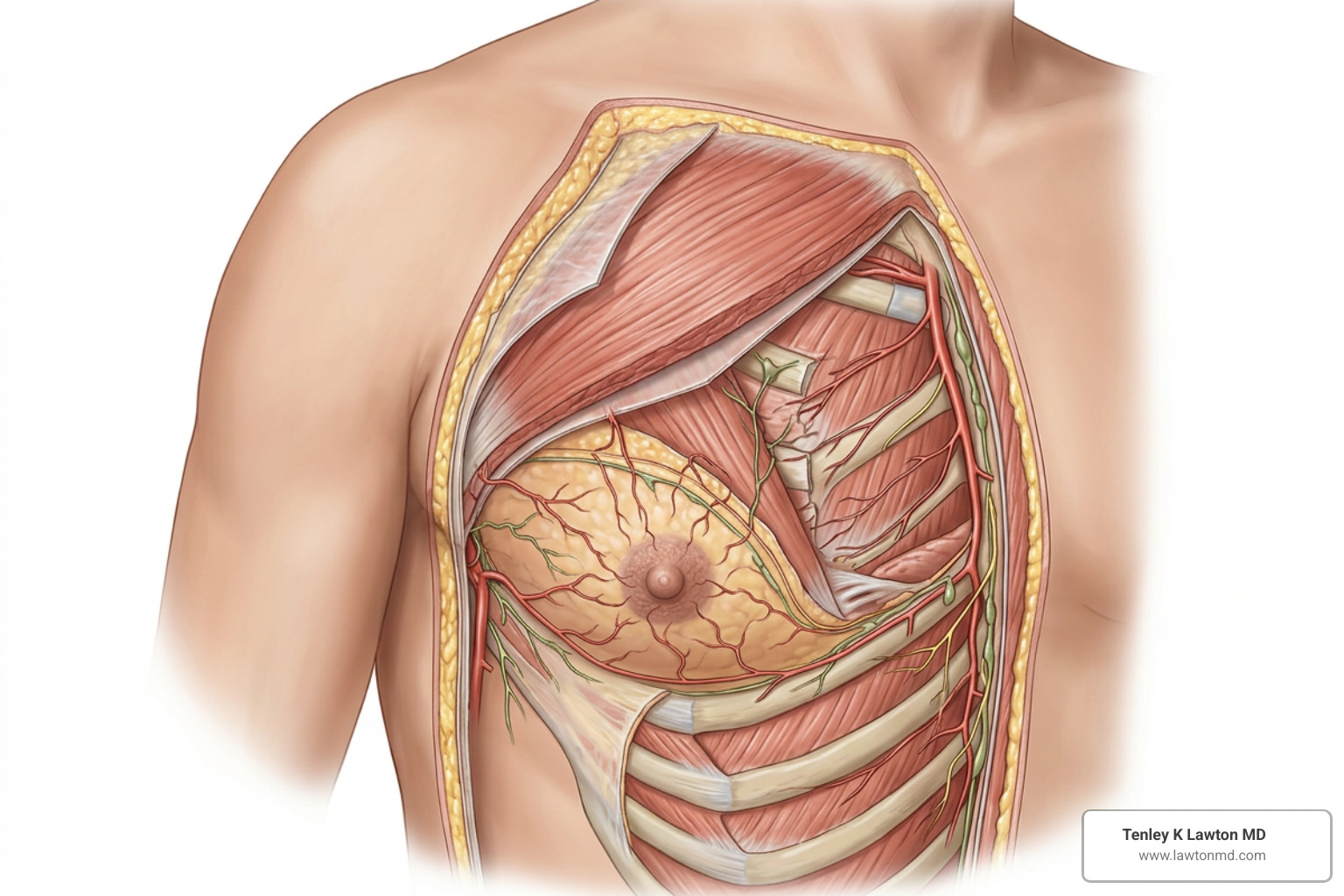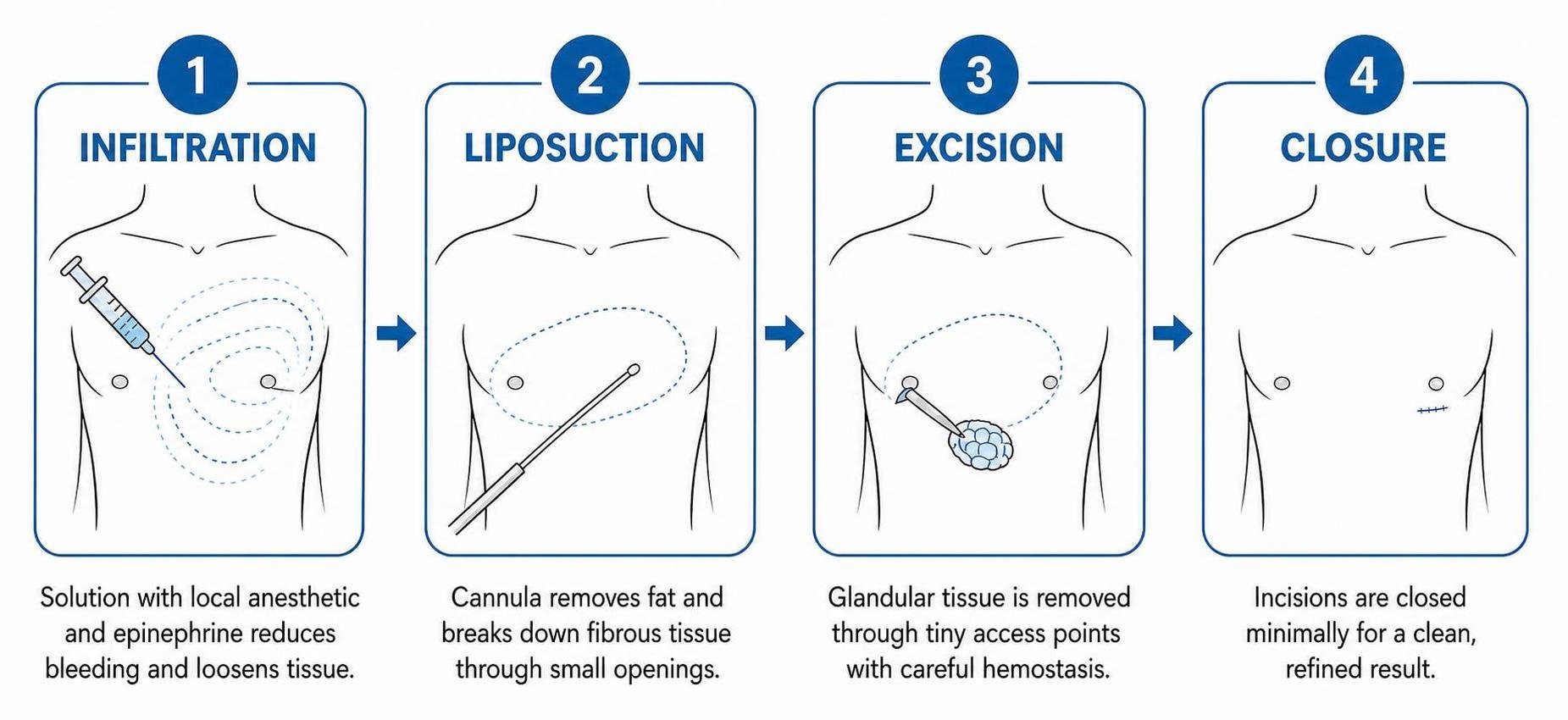

Many people seek out Dr. Tenley Lawton looking for a solution to areas of stubborn fat that refuse to go away even with good weight management and exercise. For the removal of difficult fat, nothing works better than liposuction.

How to Customize the Best Mommy Makeover Plan
How to Find the Right Mommy Makeover for You
The best mommy makeover is a plan that fits your body, goals, and health, not a set number of procedures. Start with a board-certified plastic surgeon at an accredited facility. Ask which changes a tummy tuck, breast lift or augmentation, and liposuction could address for you. Then discuss whether combining procedures or doing them in stages is the safer choice.
Pregnancy can leave loose skin, separated abdominal muscles, or changes in breast shape. A thoughtful plan aims for natural-looking results while accounting for cost, recovery time, and help you may need at home.
Dr. Tenley K. Lawton is a board-certified plastic surgeon in Newport Beach with over 22 years of experience in aesthetic, plastic, and reconstructive surgery. Patients receive personalized guidance when exploring the best mommy makeover for their goals with a focus on personal care and natural-looking results.

What Is Included in the Best Mommy Makeover?
A mommy makeover is not a one-size-fits-all package. It is a customized surgical plan tailored to address the physical changes that linger after pregnancy, childbirth, and nursing. While diet and targeted exercise build muscle tone and support health, they cannot tighten stretched skin, reposition separated abdominal muscles, or restore lost upper-pole breast volume.
The goal of a well-designed procedure plan is comprehensive body contouring that harmonizes your natural proportions, restores physical comfort, and helps you feel at home in your body again.
Customizing Your Best Mommy Makeover Menu
Because every woman’s postpartum experience is unique, each surgical plan is approached as an individualized menu. When deciding what procedures make up a mommy makeover for your specific anatomy, the consultation assesses skin elasticity, abdominal wall separation, breast tissue volume, and localized fat deposits.
According to an evidence-based mommy makeover procedure guide, customizing your surgery around distinct anatomical goals yields higher patient satisfaction and safer outcomes. In addition to core procedures, optional adjuncts can be incorporated, including:
- Labiaplasty: Redraping or reducing enlarged or stretched labial tissue caused by vaginal childbirth to relieve friction and discomfort.
- Thigh Lift: Removing loose, sagging skin from the inner thighs following postpartum weight fluctuations.
- Arm Lift (Brachioplasty): Contouring excess tissue along the upper arms.

The Core Surgical Procedures
Most combination plans focus on the midsection and breasts, as these areas undergo the most pronounced physical shifts during pregnancy.
1. Abdominoplasty (Tummy Tuck)
Pregnancy frequently causes diastasis recti, a condition where the left and right rectus abdominis muscles separate to accommodate fetal growth. When exploring abdominoplasty techniques and muscle tightening, the underlying abdominal wall is repaired with internal internal sutures, excess skin is excised, and the navel is repositioned for a firm, contoured midsection. In some cases with minimal skin laxity, patients benefit from a modified mini-tummy tuck, which helps clarify if a full tummy tuck is necessary.
2. Breast Rejuvenation
Post-nursing involution often leaves breasts deflated, asymmetric, or sagging (ptosis). Your surgical plan may incorporate:
- Mastopexy (Breast Lift): Elevates sagging breast tissue, removes excess skin, and repositions the nipple-areolar complex higher on the chest wall.
- Breast Augmentation: Restores lost upper-pole fullness using silicone or saline implants.
- Augmentation-Mastopexy: Combines a lift and an implant for patients who want both elevated positioning and increased volume.
- Breast Reduction: Alleviates neck, back, and shoulder strain by removing excess glandular tissue.
3. Liposuction and Lipo 360
Liposuction refines areas that resist diet and exercise, such as the flanks, upper abdomen, back, and hips. Performing circumferential liposuction (Lipo 360) alongside abdominal tightening shapes the waistline and enhances curves.
These procedures remain among the most popular aesthetic surgeries in the country. In 2023, national data reported:
- 347,782 liposuction procedures (a 7% increase from 2022)
- 304,181 breast augmentations (a 2% increase)
- 170,110 tummy tucks (a 5% increase)
- 153,600 breast lifts (a 7% increase)
Candidate Selection: Who Is the Best Fit and When to Schedule?
Surgical safety and long-term aesthetic success depend on proper candidate selection. A comprehensive medical evaluation helps determine whether surgery is appropriate and supports a smooth recovery.
Key Health and Candidacy Criteria for the Best Mommy Makeover
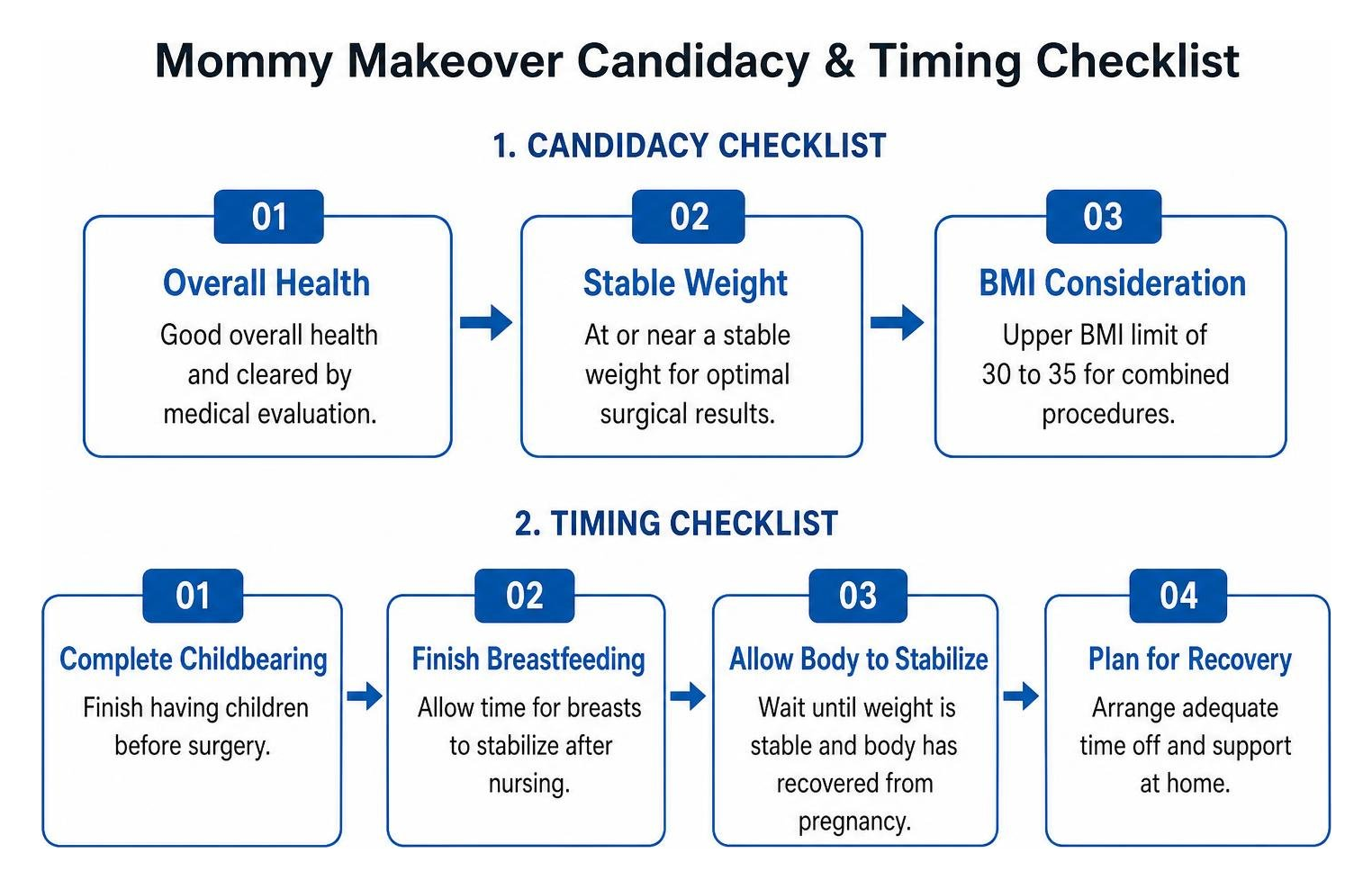
To qualify for combined body contouring, candidates must meet clear physiological criteria:
- Body Mass Index (BMI): Obesity is the primary risk factor associated with surgical complications. Most plastic surgeons set an upper BMI limit of 30 to 35 for combined procedures to minimize risks such as wound healing complications, seromas, and deep vein thrombosis.
- Weight Stability: Patients should be within 10 to 15 pounds of their goal weight for at least three to six months. Significant weight loss after surgery can cause new skin laxity, while weight gain can stretch repaired tissues.
- Age and Health Stage: Evaluating your overall medical health, physiological baseline, and life stage is essential when assessing the ideal timing for surgery.
- Non-Smoking Status: Nicotine constricts blood vessels, compromising tissue perfusion and increasing the risk of wound separation and infection. Patients must be completely nicotine-free for at least four to six weeks before and after surgery.
- GLP-1 Medication Management: Patients using GLP-1 receptor agonists, such as semaglutide or tirzepatide, should follow their surgical team’s medication instructions before surgery.
Ideal Postpartum Timing and Family Planning
Rushing into surgery too soon after childbirth can compromise your results and safety. When determining when to consider surgery after having a baby, two main factors guide the decision:
- Postpartum and Nursing Milestones: A safe timeline for waiting after childbirth requires waiting at least six months after delivery, and at least six months after completely stopping breastfeeding. This allows hormone levels to stabilize, breast tissue to settle into its baseline volume, and the abdominal wall to recover naturally.
- Completion of Childbearing: While getting pregnant after surgery is medically safe, future pregnancies will restretch the repaired abdominal muscles and skin, reversing your aesthetic investments. Completing family planning before undergoing a mommy makeover is strongly recommended.
Surgical Safety: Single-Session Combination vs. Staging
Combining several procedures into a single operation provides the convenience of one surgery date and a consolidated recovery period. However, patient safety requires strict adherence to surgical limits.
Combined vs. Staged Procedure Matrix
For patients requiring extensive tissue removal, higher surgical durations, or those with elevated baseline risk factors, staging procedures into two separate operations spaced three to six months apart is often the safest path.
| Factor | Single-Session Combined Surgery | Staged Multi-Procedure Surgery |
|---|---|---|
| Cumulative Recovery Time | One consolidated recovery window (4–6 weeks) | Two separate recovery periods (4–6 weeks each) |
| Overall Cost Efficiency | Often lower with one facility stay and recovery period | Often higher with separate surgical dates and recovery periods |
| Ideal Candidate | Generally healthy patients with modest treatment needs | Patients who need more extensive treatment or have health factors that call for a slower approach |
Mommy Makeover Recovery Timeline and Healing Stages
Understanding the recovery process helps you arrange proper support at home and protects your surgical repairs.

Week-by-Week Recovery Milestones
While exact timelines vary based on your surgical duration and procedural plan, most patients experience a consistent healing trajectory:
- Days 1–3 (Peak Discomfort): You will experience surgical soreness, swelling, and tightness. Walking slightly bent at the waist helps protect abdominal sutures. Pain medications and muscle relaxants manage discomfort effectively.
- Weeks 1–2 (Initial Healing): Surgical drains (if used) are typically removed. Light walking around the house is encouraged to support healthy circulation. Most patients transition off prescription narcotics to over-the-counter pain relief.
- Weeks 2–3 (Returning to Routine): Discomfort decreases and mobility improves. Desk-bound professionals often return to remote or light work.
- Weeks 4–6 (Resuming Activity): Lifting restrictions ease and patients are cleared for light cardiovascular exercise. Tissue tightness continues to soften.
- Months 3–6 (Final Contours): Residual swelling resolves, revealing your defined waistline and settled breast contours. Scars continue to fade and mature over 12 to 18 months.
Practical Postoperative Care and Support
Setting up thoughtful postoperative support ensures a smooth recovery. Implementing proven recovery tips and practical guidance safeguards your health and outcomes:
- Arrange Dedicated Caregiving: Plan for 24-hour adult assistance for at least the first 5 to 7 days. You will need help getting out of bed, managing medications, and caring for young children.
- Wear Medical Compression Garments: High-grade compression garments control swelling, support healing tissues, and reduce seroma formation. Wear them as directed, often 23 hours a day for the first month.
- Strictly Observe Lifting Restrictions: Avoid lifting anything over 10 pounds (including toddlers, car seats, and groceries) for 4 to 6 weeks to protect internal abdominal wall repairs.
Total Cost and Financial Planning
A mommy makeover is an investment in your well-being. Understanding the financial components ensures clarity with no hidden fees.
Key Pricing Factors and National Averages
The total cost of a mommy makeover varies based on the procedures included, the complexity of the surgical plan, facility and clinical-support fees, and the surgeon’s experience. Reviewing a detailed cost breakdown for combination procedures can help patients prepare for a personalized consultation.
Several key variables drive the final cost:
- Surgeon’s Fee: Reflects the surgeon’s training, experience, and surgical precision.
- Operating Room and Facility Fees: Accredited surgical suites equipped with hospital-grade safety technology.
- Clinical Support Fees: Professional support and monitoring provided during the procedure.
- Implant Selection: Saline versus anatomical cohesive silicone gel implants.
- Geographic Location: Metropolitan coastal areas often reflect higher facility and overhead expenses.
Many practices offer financing options, such as CareCredit or Alphaeon Credit, which may allow patients to choose a monthly payment plan.
Selecting an Accredited Facility and Surgeon
Your safety and results depend directly on the credentials of your surgical team. When vetting providers:
- Verify Board Certification: Ensure your surgeon is certified by the American Board of Plastic Surgery (ABPS).
- Confirm Facility Accreditation: Surgery should only be performed in state-licensed, accredited facilities, such as those certified by the AAAASF, AAAHC, or The Joint Commission.
- Review Real Patient Results: Study extensive before and after mommy makeover galleries to ensure the surgeon consistently produces natural-looking contours that match your aesthetic goals.
Frequently Asked Questions About Mommy Makeovers
Can pregnancy occur after a mommy makeover?
Yes, a mommy makeover does not affect fertility or your ability to carry a child safely to term. However, pregnancy stretches the repaired abdominal muscles and skin, while nursing alters breast volume, potentially compromising your surgical results and requiring revision surgery later. Completing family planning before surgery is strongly recommended.
How long do the aesthetic results typically last?
The physical results of a mommy makeover are long-lasting. Excised skin and removed fat cells do not return, and repaired muscle walls remain intact. However, natural aging, gravity, and substantial weight changes will continue to affect your tissues over time. Maintaining a stable weight and healthy lifestyle ensures your refreshed contours last for decades. More information about long-term results and revisions is available in this educational guide.
When is it safe to lift and hold children again?
Patients must strictly avoid lifting more than 10 pounds for the first 4 to 6 weeks post-surgery. Lifting toddlers puts direct intra-abdominal strain on internal sutures, increasing the risk of wound separation, hernias, and bleeding. Starting in week two, patients may sit on a sofa or floor and cuddle children in their lap when an adult caregiver places the child gently in their arms.
Conclusion
A mommy makeover is about more than restoring your pre-pregnancy shape—it is about renewing physical comfort, repairing functional muscle separation, and building postpartum confidence. By partnering with a board-certified plastic surgeon, prioritizing surgical safety, and committing to an honest recovery plan, you can achieve beautiful, natural-looking results tailored to your lifestyle.
At Tenley K Lawton MD in Newport Beach, CA, the practice specializes in delivering personalized, compassionate care focused on empowering mothers to look and feel their best. When you are ready to take the next step, request a consultation and review the average price for a mommy makeover to begin designing your customized surgical plan.