
Why Under-Eye Skin Can Look Crepey
There is no single best treatment for crepey skin beneath the eyes. A gentle routine, consistent sun protection, and, when appropriate, personalized in-office care can help improve dryness, fine lines, and overall skin texture.
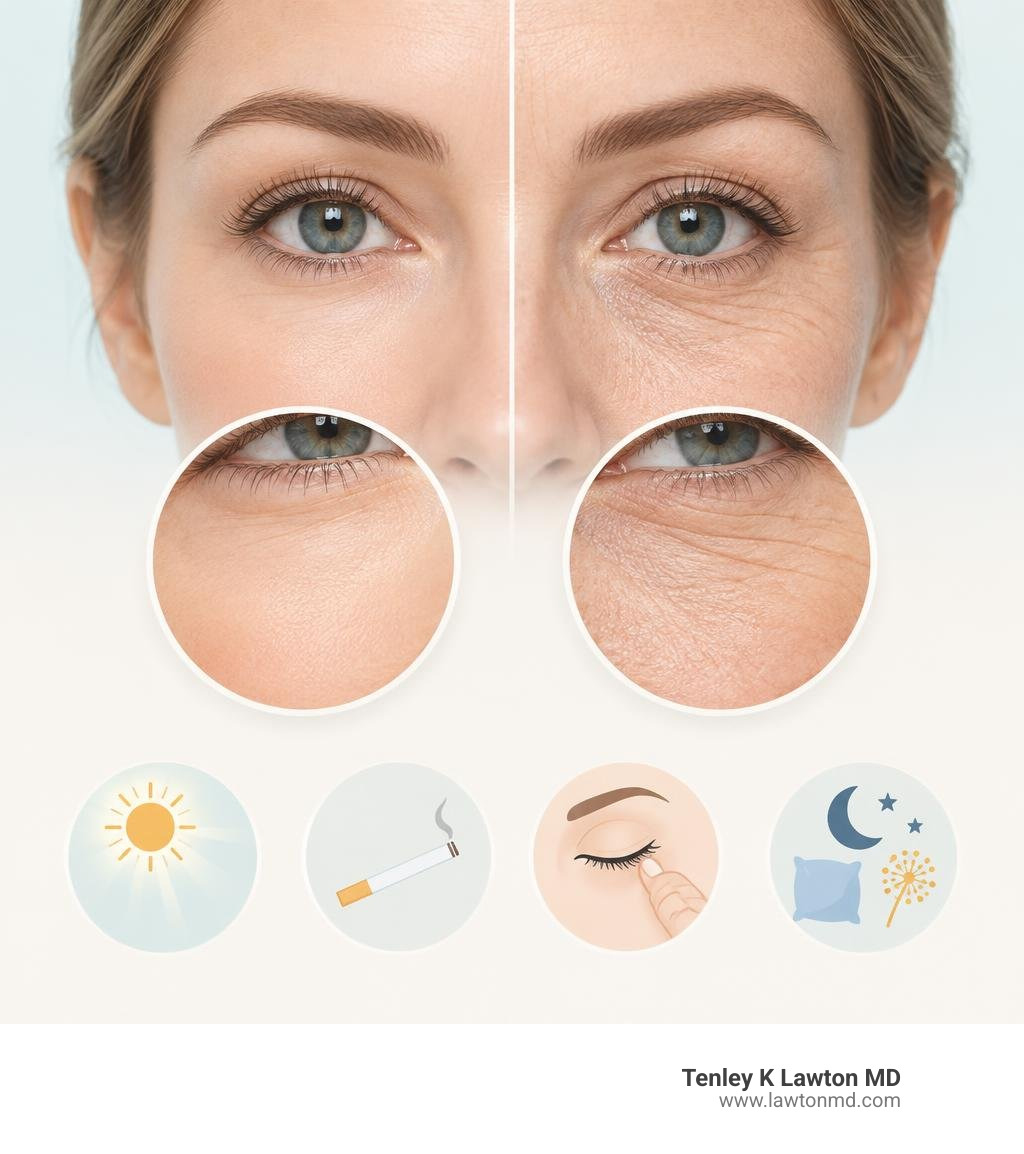
The skin beneath the eyes is thinner and more delicate than skin on much of the face. Because it produces less natural oil, it can become dry and show fine lines more easily.
Facial expressions, sun exposure, and normal aging can make this area look thinner, drier, or more wrinkled over time. Understanding what causes crepey skin and how to treat it can help patients choose an approach that fits their concerns.
Why the Under-Eye Area Changes Over Time
The layers of skin beneath the eyes naturally change over time. As the under-eye area becomes thinner and loses some firmness, fine lines and a crepey appearance can become more noticeable.
Aging can also change the volume and support around the lower eyelids. For some patients, these changes create both skin texture concerns and a tired-looking under-eye area.
Everyday Factors That Can Make It More Noticeable
While intrinsic chronological aging is inevitable, extrinsic lifestyle variables accelerate under-eye breakdown:
- Sun exposure: UV exposure can make fine lines and uneven texture more visible.
- Smoking: Smoking can speed visible skin aging.
- Irritation: Rubbing the eyes or using harsh products may worsen dryness and sensitivity.
- Poor sleep and allergies: Temporary puffiness can make under-eye texture look more noticeable.
Helpful Ingredients for Crepey Under-Eye Skin
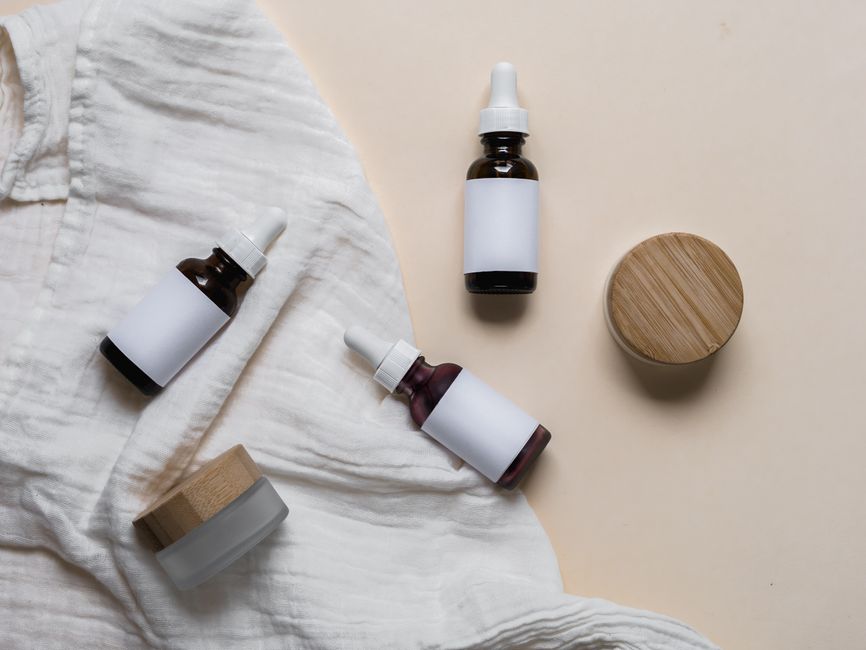
A simple, gentle routine can help improve the look and feel of dry, crepey under-eye skin. Choose products made for the eye area and introduce one new product at a time to reduce irritation.
| Ingredient | How It May Help | How to Use It |
|---|---|---|
| Hyaluronic acid | Adds temporary surface hydration and a smoother appearance | Apply to slightly damp skin, then follow with moisturizer |
| Ceramides and squalane | Support the skin barrier and reduce dryness | Use in a gentle eye cream morning or night |
| Retinol formulated for the eye area | May improve the look of fine lines over time | Start slowly and stop if irritation develops |
| Bakuchiol | A gentler alternative that may support smoother-looking skin | Use as directed in an eye-area product |
| Vitamin C | Provides antioxidant support during the day | Choose a formula that is comfortable around the eyes |
Gentle Supportive Ingredients
Peptides are commonly included in eye creams because they can support a smoother, more hydrated appearance without the dryness often associated with stronger active ingredients.
Results from peptide-based products vary by formula and skin type. Consistent use of a well-tolerated eye product is generally more helpful than frequently switching products.
When considering newer skin-care technologies, focus on products recommended by a qualified professional and avoid assuming that a newer ingredient will be right for every patient.
Retinoids vs. Gentle Plant-Based Alternatives
Retinol can improve the appearance of fine lines for some patients, but the under-eye area is sensitive. Strong retinoid products may cause dryness, redness, or peeling if they are not used carefully.
If you use retinol, choose a product designed for the eye area and begin with infrequent application. A plastic surgeon or dermatologist can help determine whether it is appropriate for your skin.
If your skin is too reactive for retinoids, plant-derived alternatives provide similar benefits without the redness:
- Bakuchiol: Often used as a gentler option for patients who do not tolerate retinol well.
- Moisturizing botanical formulas: May help improve comfort and surface hydration, although they do not replace medical treatment for significant laxity.
Deep Hydrators and Barrier Fortifiers
Hydrating ingredients such as hyaluronic acid can temporarily soften the look of fine lines by adding moisture to the skin’s surface.
Follow hydration with a fragrance-free eye cream containing barrier-supporting ingredients such as ceramides or squalane. During the day, finish with sunscreen that is comfortable enough to use consistently.
A Gentle Daily Routine for Under-Eye Skin
How you apply your skincare matters just as much as the ingredients inside the bottle. Aggressive rubbing and tugging stretch thin orbital skin, accelerating structural breakdown.
Choosing Serums, Creams, and Balms
The modern skincare market offers several different product formats for the eyes:
- Lightweight serums: Helpful for layering hydration beneath an eye cream.
- Barrier-supporting eye creams: A good option for daily moisture and comfort.
- Hydrogel patches: Can temporarily refresh the appearance of tired-looking eyes before an event.
- Cooling balm sticks: Convenient for daytime moisture, particularly when the area feels dry.
- Overnight hydration products: May offer an extra boost of moisture when used as directed.
Important: Avoid using thick, occlusive body or facial creams under your eyes. Heavy petrolatum-based products can trap excess fluid, causing morning puffiness or triggering milia (tiny, stubborn keratin cysts).
The Step-by-Step Daily Under-Eye Protocol
- Step 1: Cleanse gently: Use lukewarm water and a mild cleanser, then pat the area dry.
- Step 2: Apply one treatment product: Use a small amount of serum or eye cream and avoid rubbing.
- Step 3: Add moisture: Gently tap on a comfortable eye cream with a clean fingertip.
- Step 4: Protect during the day: Apply a sunscreen that is suitable for use around the eyes.
- Makeup tip: Choose hydrating formulas and allow eye cream to settle before applying concealer.
Clinical and In-Office Treatments for Moderate to Severe Crepiness
Daily skin care can improve dryness and surface texture, but it cannot correct significant loose skin or volume changes. When these concerns are more noticeable, an in-person consultation can help determine whether an in-office treatment or surgery may be appropriate.
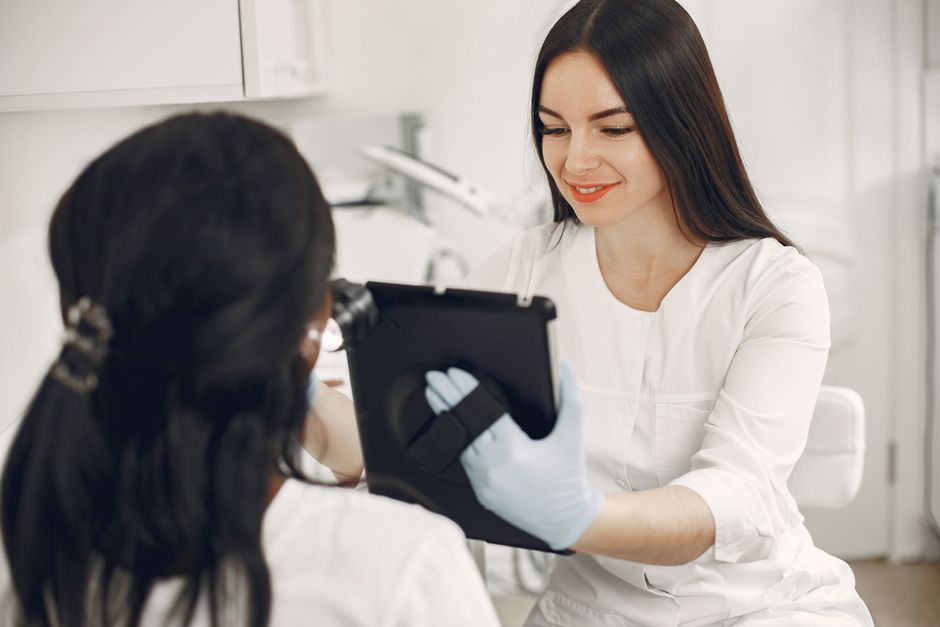
Exploring effective treatments for reducing wrinkles helps patients find the right balance between non-invasive therapies and surgical correction.
| Treatment Option | What It May Address | When It May Be Considered |
|---|---|---|
| Hydrating injectables | Dry, thin-looking skin texture | When skin-care products are not providing enough improvement |
| Neuromodulator treatment | Fine lines that appear with facial expression | When movement contributes to visible crinkling |
| Microneedling or laser treatment | Texture changes and mild to moderate laxity | When a physician recommends collagen-stimulating care |
| Lower blepharoplasty | Noticeable loose skin, puffiness, or lower-eyelid contour changes | When surgical correction is the most appropriate option |
Skin Boosters and Micro-Injectables
For patients with thin, dry-looking skin despite a consistent routine, SKINVIVE by Juvéderm may be one option to discuss during a consultation. A qualified provider can explain whether it suits your goals and anatomy.
If lines are most noticeable when smiling or squinting, Botox near the eyes may help soften their appearance while preserving natural-looking expression.
Treatments for Texture and Firmness
For patients seeking more improvement in skin texture and firmness, a provider may recommend treatments that support gradual skin remodeling:
- Radiofrequency microneedling: May be recommended to improve texture and mild laxity.
- Professional microneedling: Can be considered when a gradual approach to texture improvement is appropriate.
- Non-surgical skin tightening: May help some patients with mild to moderate laxity.
- Platelet-rich plasma: May be discussed as part of a personalized treatment plan.
Surgical Interventions: Lower Blepharoplasty
When loose skin, hollows, or under-eye puffiness are a major concern, lower blepharoplasty may offer a more complete correction than non-surgical treatments.
During a consultation, Dr. Lawton can evaluate the lower eyelids and discuss whether surgery could create a smoother, refreshed appearance that still looks natural for your facial features.
Frequently Asked Questions About Crepey Under-Eye Skin
How Long Does It Take to See Results?
Hydrating products can make skin look smoother soon after application. Improvements from a consistent skin-care routine usually take several weeks, while in-office treatments may follow a different timeline based on the treatment and your individual goals.
Can Drinking More Water Fix Crepey Under-Eye Skin on Its Own?
Drinking enough water supports overall health, but it does not correct crepey under-eye skin on its own. A gentle routine, daily sun protection, and personalized treatment when needed are more useful ways to address this concern.
Why Does Makeup and Concealer Look Worse Over Crepey Under-Eye Skin?
Heavy, dry, or matte concealers absorb natural surface oils, which accentuates fine lines and causes makeup to settle into skin folds. Additionally, applying heavy, oil-rich moisturizers right before makeup can cause cosmetics to slip, slide, and cake. For a smoother finish, use a fast-absorbing peptide serum, follow with a lightweight eye cream, let it set for two minutes, and finish with a creamy, hydrating concealer applied sparingly with a damp sponge.
Conclusion
Improving crepey under-eye skin usually starts with gentle daily care, consistent sun protection, and realistic expectations. For more noticeable concerns, professional guidance can help patients understand which options are most likely to fit their goals.
At Tenley K Lawton MD in Newport Beach, CA, we provide personalized recommendations based on each patient’s concerns and facial anatomy. Whether you want to refine your skin-care routine, explore non-surgical options, or discuss eyelid rejuvenation, we can help you consider a treatment plan focused on natural-looking results. Schedule a private consultation to learn more about crepey skin and treatment options.