Understanding Breast Reduction: Procedure, Costs, and Recovery Expectations
Surgery to reduce breast size can be a life-changing decision for women who experience physical discomfort or self-consciousness due to overly large breasts. Whether it’s to ease chronic back and neck pain or to feel more confident in daily activities, a breast reduction offers both functional and aesthetic benefits.
What are the Benefits of a Breast Reduction?
For many women, the physical relief is one of the most immediate benefits. Large, heavy breasts can cause chronic pain in the neck, shoulders, and back. Bra straps may dig into the skin, and skin irritation can develop under the breast folds. A breast reduction can significantly ease or eliminate these symptoms.
In addition to improved comfort, breast reduction surgery often allows for greater ease in physical activity. Many women report increased confidence and more clothing options after surgery. Emotional well-being can also improve, especially when body proportions feel more balanced and aligned with personal preferences.
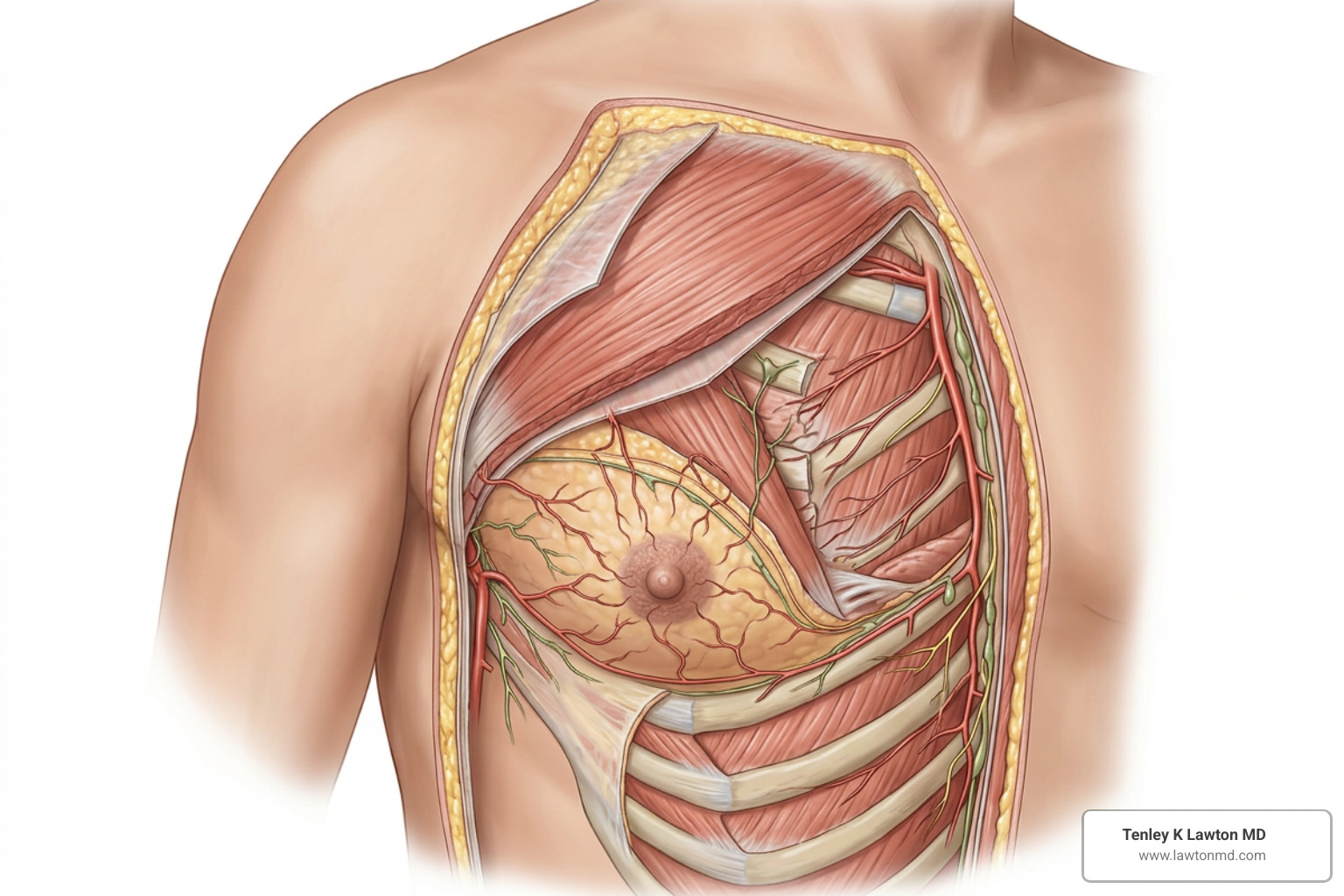
Dr. Lawton performs breast reduction surgery under general anesthesia in an accredited surgical facility. The procedure typically involves removing excess breast tissue, fat, and skin to create a smaller, more lifted breast shape.
Incisions are made based on the amount of tissue being removed and the desired outcome. The most common techniques include:
Anchor or inverted-T incision (around the areola, vertically down, and along the breast crease)
Vertical or lollipop incision (around the areola and vertically down to the breast fold)
Liposuction-only reduction (used in select cases for minor volume reduction without significant skin removal)
Dr. Lawton carefully reshapes and lifts the breasts during the procedure to create natural-looking results that complement the patient’s figure.
How Much Does a Breast Reduction Cost?
The cost of a breast reduction can vary significantly depending on several factors, including the complexity of the procedure, whether other procedures are also performed, and the surgical technique used. In general, you can expect a wide cost range—from $6,000 to $15,000 or more.
Costs may include:
Surgeon’s fees
Anesthesia
Facility fees
Post-operative garments
Follow-up care
Since every breast reduction is unique, we recommend a consultation so Dr. Lawton can provide a more personalized estimate based on the procedure she plans to perform.
CONSULTATIONS AVAILABLE NOW
The first step is to schedule an in-person consultation with Dr. Lawton or one of our trusted providers at Tenley K Lawton M.D. in Neport Beach, CA. Simply fill out the form on this page and we will reach out to you promptly to schedule your appointment.
Most women return home the same day as their surgery. Swelling, bruising, and discomfort are common in the first few days, but these symptoms are well-managed with medication and rest. Patients typically wear a supportive surgical bra and should avoid strenuous activity for several weeks.
Recovery timelines can vary, but many women return to work and light activities within 1-2 weeks. Full healing—including the settling of breast shape and fading of scars—can take several months. Dr. Lawton and her team provide personalized guidance throughout the recovery process to ensure a smooth and safe outcome.
Will I Need a Breast Lift if I Have a Breast Reduction?
In most cases, a breast reduction naturally includes a lifting effect. Because excess skin is removed and the breast tissue is reshaped, the result is often a smaller, more lifted breast. However, the extent of the lift can vary based on the initial breast size, skin elasticity, and the chosen surgical technique.
Dr. Lawton customizes every procedure and will discuss whether additional lifting techniques are needed to achieve your ideal result. In many cases, there’s no need for a separate breast lift, as the reduction alone provides both volume reduction and enhancement in breast position.
Testimonials
*Individual Results May Vary
★★★★★Rated 5 out of 5
Dr. Lawton strives to provide the best experience for everyone who chooses her practice for their aesthetic needs. Read why our patients love their results & experience with Dr. Lawton and her team of expert providers.
My experience with Dr. Lawton has been exceptional. Dr. Lawton is a true professional with wonderful "bed-side" manner and looks out for the best outcome for you. The results of my surgery have exceeded my expectations. The entire staff is genuine and educated especially Erin who was very thorough and patient during my visits.
My experience with Dr. Lawton has been exceptional. Dr. Lawton is a true professional with wonderful "bed-side" manner and looks out for the best outcome for you. The results of my surgery have exceeded my expectations. The entire staff is genuine and educated especially Erin who was very thorough and patient during my visits.
I had a great experience. The folks at the surgery center were professional and caring. Dr. Lawton’s staff is equally professional and competent. Dr. Lawton was completely supportive of what I wanted and didn’t project her ideals into my vision. I was treated with respect and sensitivity. Thank You
Take the Next Step
Would you like to learn more about breast reduction? Simply fill out the form on this page or call Tenley K. Lawton, M.D. at (949) (949 )356-6158 to schedule your consultation with Board-Certified plastic surgeon Dr. Tenley Lawton. Proudly serving Newport Beach and the greater Orange County, CA, area.
Gynecomastia Surgery: A Personalized Approach to Chest Contouring
Gynecomastia surgery can create a flatter, more masculine chest for appropriately selected patients through careful tissue removal, contouring, and individualized aftercare. The best plan depends on the amount of glandular tissue and fat, skin quality, chest anatomy, and overall health.
Gynecomastia is a common condition involving excess breast tissue in males. It may develop during puberty, with weight changes, from certain medications, or for other medical reasons. A consultation helps determine whether surgery is appropriate and which approach is most likely to produce a natural-looking contour.
Recovery also plays an important role in the final result. Compression, temporary activity limits, and follow-up visits help support healing and allow the surgical team to monitor progress.
How Gynecomastia Surgery Has Evolved
Gynecomastia surgery has become more precise as surgeons have refined liposuction, glandular excision, incision placement, and bleeding control. The goal is to remove excess tissue while preserving a smooth chest contour and minimizing visible scarring.
Today, treatment can be tailored to the patient. Some procedures focus primarily on fatty tissue, while others combine liposuction with direct removal of firm glandular tissue beneath the nipple. Patients with more extensive skin laxity may need a different approach to achieve a proportionate result.
Patients exploring male breast reduction options benefit from a plan that protects the blood supply and sensation of the nipple-areolar complex. Careful dissection and conservative tissue removal can help balance contour improvement with tissue preservation.
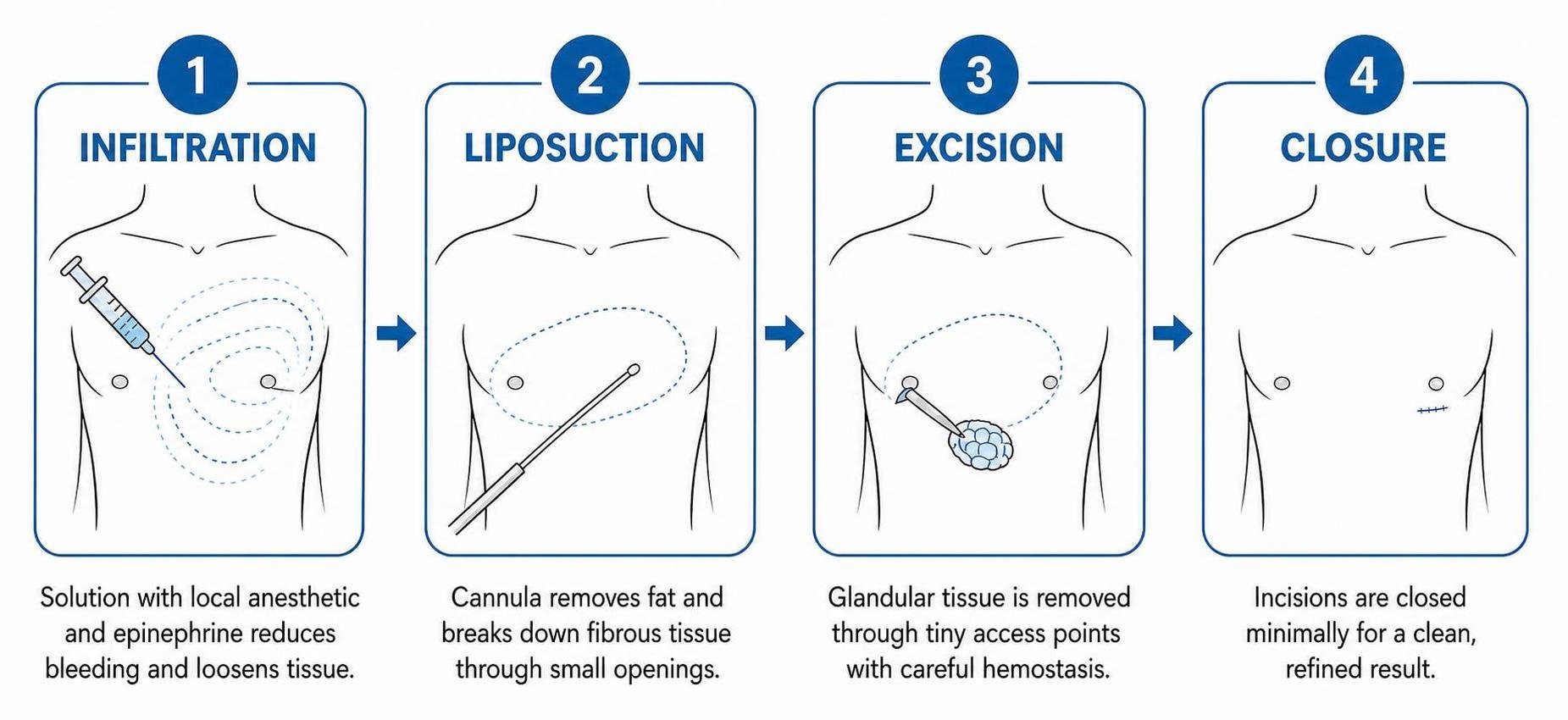
A surgical plan may include one or more of the following techniques:
Tumescent infiltration: A solution containing saline, local anesthetic, and epinephrine is used to prepare the treatment area and reduce bleeding.
Liposuction: Specialized cannulas remove excess fatty tissue and help blend the chest contour.
Direct glandular excision: Firm breast tissue can be removed through a carefully placed incision when liposuction alone is unlikely to achieve an adequate contour. A single-incision gland resection study of 30 patients used a 1-cm inferolateral areolar incision; Abdelmaksoud et al., 2025 reported a mean operative time of 35.7 minutes and a 3.3% hematoma rate.
Skin management: When excess skin is significant, skin-tightening or excisional techniques may be considered.
Minimally Invasive and Endoscopic Innovations
Smaller-incision and endoscopic approaches may be appropriate for selected patients. A refined anatomy endoscopic research series included 786 patients and described endoscopic access designed to support visualization and contour symmetry. These techniques can improve visualization and allow surgeons to work through strategically placed access points while focusing on contour symmetry.
The right technique is not the same for every patient. Gynecomastia grade, skin elasticity, tissue density, prior weight changes, and aesthetic goals should all be reviewed during a consultation.
Benefits of Gynecomastia Surgery
Gynecomastia surgery can address chest fullness that does not improve with exercise or weight management alone. For many patients, the benefits of male chest surgery extend beyond a flatter chest contour and may include greater comfort in fitted clothing and improved confidence in social settings.
A more defined chest contour: Removing excess fatty and glandular tissue can help create a firmer, more proportionate chest.
Improved clothing fit: Patients often find that T-shirts, dress shirts, and swimwear fit more comfortably after healing.
A tailored surgical plan: The procedure can be adapted to the amount and type of tissue present, skin quality, and desired contour.
Long-lasting results: When the factors contributing to gynecomastia are stable, surgical results can be durable.
Treatment Consideration
What It Means for Your Plan
Amount of fatty tissue
May influence whether liposuction is recommended.
Amount of firm glandular tissue
May require direct excision for a smoother result.
Skin elasticity
Helps determine whether the skin can redrape after tissue removal.
Chest asymmetry
May require individualized contouring on each side.
Health history and medications
Helps the surgeon identify potential causes and plan safely.
Who Is a Candidate for Gynecomastia Surgery?
Candidates often have persistent chest fullness caused by glandular tissue, excess fat, or a combination of both. A consultation can help distinguish gynecomastia from isolated chest fat and identify any medical factors that should be addressed before surgery.
Patients are commonly evaluated for several factors. In one pediatric outpatient study, 21 boys with a median age of 14.5 years had surgery and were discharged the same day; two developed mild seromas that resolved with external compression.
Stable weight: Significant future weight changes can affect the chest contour.
Good skin elasticity: Skin that can redrape smoothly may support a more refined result.
Realistic expectations: Surgery can improve the chest contour, but it cannot create perfect symmetry.
A commitment to recovery instructions: Following activity restrictions and follow-up guidance supports safe healing.
Patients with more severe skin laxity or substantial chest enlargement may need a more extensive procedure. The appropriate approach is determined individually during consultation.
Gynecomastia Surgery Recovery
Recovery after gynecomastia surgery varies with the extent of treatment, the techniques used, and the patient’s overall health. Your surgeon will provide a personalized plan for compression, wound care, activity, and follow-up appointments. Understanding how long recovery takes after gynecomastia can help set realistic expectations.
The Compression Garment
A medical compression vest can provide gentle, continuous pressure over the chest during early healing. It helps support the treated area and is typically worn according to the surgeon’s instructions.
Activity Milestones
Days 1–3: Light walking around the house is generally encouraged. Avoid heavy lifting and strenuous upper-body activity.
Weeks 1–2: Many patients can return to desk-based work and routine daily activities, depending on comfort and the surgical plan.
Weeks 3–4: Light cardiovascular exercise may be reintroduced with the surgeon’s approval.
Weeks 4–6: Upper-body strength training, running, and contact sports may be resumed only after clearance at a follow-up visit.
Frequently Asked Questions About Gynecomastia Surgery
Gynecomastia surgery is generally safe when performed by a qualified plastic surgeon for an appropriate candidate. Every procedure carries risks, including bleeding, infection, contour irregularity, changes in sensation, scarring, and the possibility of revision surgery. A consultation is the right time to review personal risk factors and expected benefits.
Will gynecomastia return after surgery?
Results are often long-lasting when the underlying cause is stable. However, chest fullness can recur if hormonal factors, medications, significant weight changes, or other contributors are not addressed. Your surgeon may recommend discussing persistent or unexplained gynecomastia with a primary care physician or specialist.
When can I return to normal workouts after surgery?
Most patients begin light walking shortly after surgery. Light cardio may be possible after several weeks, while chest-focused exercise and heavy lifting usually require clearance at a follow-up appointment. The exact timeline depends on the extent of surgery and how healing is progressing.
Conclusion
Gynecomastia surgery can be an effective option for men who want a flatter, more defined chest after non-surgical efforts have not addressed persistent tissue fullness. Careful evaluation, an individualized surgical plan, and attentive recovery guidance are central to achieving a natural-looking result.
At Tenley K Lawton MD in Newport Beach, CA, we provide personalized male chest contouring based on each patient’s anatomy and goals. To discuss your options, schedule a male chest contouring consultation with our board-certified team.
References
Abdelmaksoud SM, Omran A, Elagamy KMM, Elhendawy MA, Mahmoud BA. “Cross-chest liposuction plus gland resection through single minimal incision for management of grade I/II gynecomastia.” BMC Surgery, 2025. PMCID PMC12224700. Read the BMC Surgery article.
Adhikari S. “Minimal Incision Technique for Gynecomastia.” Journal of Cutaneous and Aesthetic Surgery, 2021. PMCID PMC8611696.
Carlos Delgado-Miguel, Ennio Fuentes, Pablo Aguado, Ricardo Díez. Children, 2025. Related gynecomastia study.