Should You Schedule Your Breast Reduction Before Year-End? What to Consider About Insurance and Recovery
Reducing discomfort, improving posture, and restoring body balance can make a remarkable difference in confidence and quality of life. A breast reduction can help women achieve these goals by relieving pain, refining proportions, and creating a lighter, more comfortable silhouette.
Dr. Tenley Lawton and her team provide customized breast reduction procedures that balance comfort, proportion, and natural-looking results. Understanding timing, insurance considerations, and recovery can help you plan a smooth surgical experience and a confident start to the new year.
What are the Best Reasons to Get a Breast Reduction?
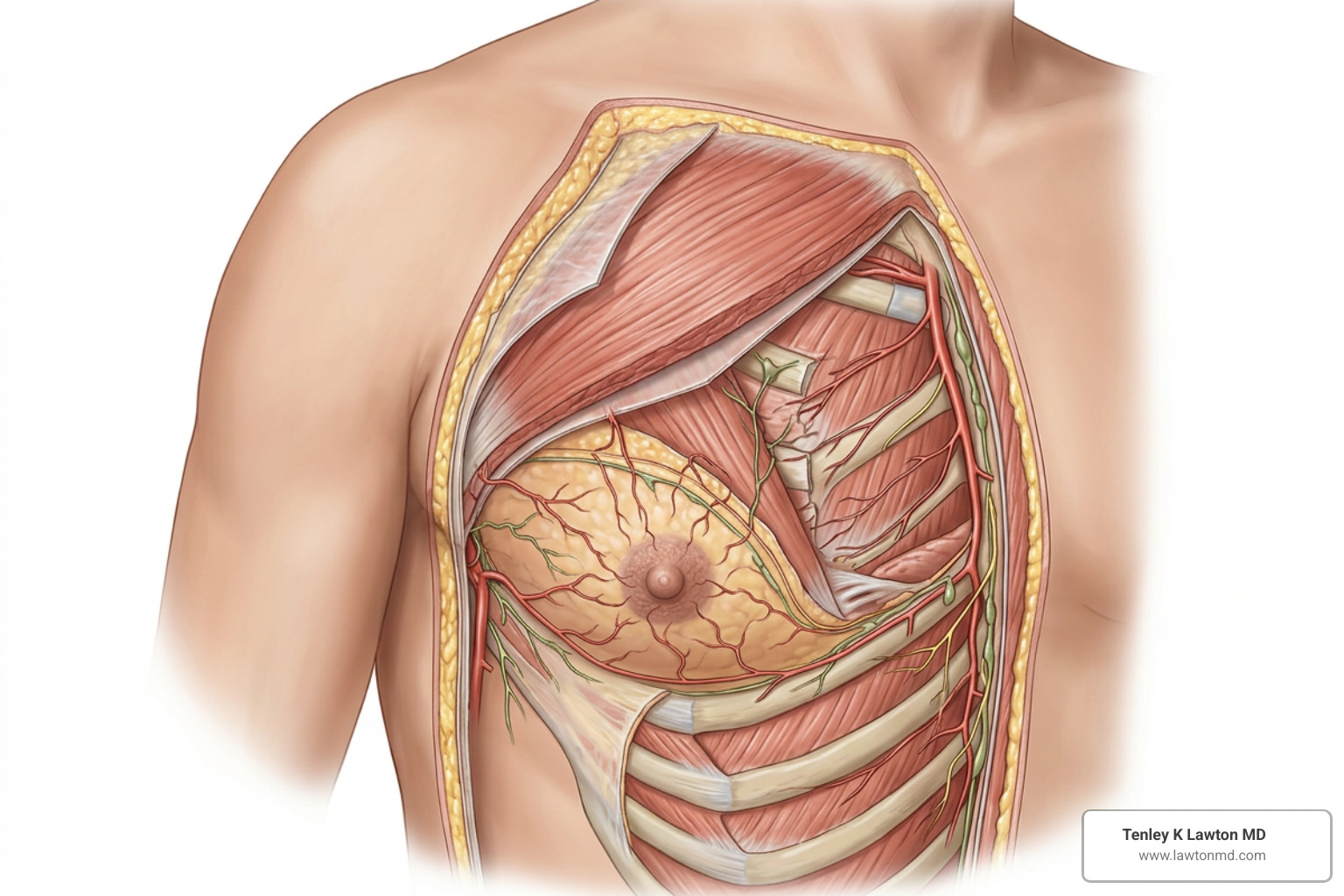
Breast reduction surgery removes excess breast tissue, fat, and skin to create a smaller, more proportionate breast size. The procedure can help relieve many common physical and emotional concerns.
Top reasons to consider a breast reduction include:
Chronic neck, shoulder, or back pain
Skin irritation or rashes under the breasts
Difficulty exercising or finding supportive clothing
Grooving in the shoulders from bra straps
Posture problems caused by weight imbalance
Self-consciousness about breast size or asymmetry
In addition to physical relief, many women experience an improved silhouette and renewed confidence in their appearance.
In some cases, breast reduction surgery may be covered by insurance if it is deemed medically necessary. Each insurance company has specific requirements, which may include documentation of pain, physical symptoms, and attempts at non-surgical treatments.
Scheduling before year-end can help patients take advantage of remaining deductible or flexible spending account (FSA) funds. If a deductible has already been met, completing the procedure before January may reduce out-of-pocket costs. Dr. Lawton’s team assists in coordinating pre-authorization and ensuring proper documentation is submitted to your provider.
Recovery
Planning surgery during the holiday season allows extra time to rest and heal while many people already have days off work. Most individuals take about one to two weeks off from daily activities and avoid strenuous exercise for at least four to six weeks.
During recovery, swelling and soreness are common, but these typically improve steadily. Wearing a supportive surgical bra and following Dr. Lawton’s aftercare instructions helps ensure the best outcome. By the time the new year begins, most patients notice lighter, more comfortable breasts and can return to normal routines.
Is a Breast Reduction Permanent?
A breast reduction provides long-lasting results, but natural factors can still affect breast size over time. Weight changes, hormonal fluctuations, pregnancy, or aging may alter the appearance of the breasts.
For most individuals, however, the benefits remain consistent for many years. Maintaining a stable weight and following a healthy lifestyle helps preserve the surgical results.
CONSULTATIONS AVAILABLE NOW
The first step is to schedule an in-person consultation with Dr. Lawton or one of our trusted providers at Tenley K Lawton M.D. in Neport Beach, CA. Simply fill out the form on this page and we will reach out to you promptly to schedule your appointment.
Can You Combine a Breast Reduction With a Breast Lift?
Yes. A breast lift is often performed at the same time as a breast reduction to reshape and elevate the breasts. While the reduction removes excess tissue, a lift refines the position of the nipple and improves contour.
Combining the two procedures allows for a more youthful, uplifted look and avoids the need for a second surgery later. Dr. Lawton customizes the combination approach for natural proportions and symmetry.
Am I a Candidate for a Breast Reduction for the New Year?
Ideal candidates for breast reduction are in good overall health, maintain a stable weight, and have realistic expectations. The procedure may be suitable if you experience:
Physical pain or posture issues from large breasts
Limitations in physical activity
Emotional discomfort or self-consciousness
Skin irritation or shoulder grooves from bra straps
Dr. Tenley Lawton evaluates each case individually, considering goals, anatomy, and lifestyle. Her approach focuses on creating balanced, natural results that improve comfort while maintaining beautiful shape and proportion.
A breast reduction before year-end can provide both physical relief and renewed confidence for the upcoming year. With careful planning, proper documentation, and expert guidance from Dr. Lawton’s team, you can enter the new year feeling lighter, more comfortable, and refreshed.
Testimonials
*Individual Results May Vary
★★★★★Rated 5 out of 5
Dr. Lawton strives to provide the best experience for everyone who chooses her practice for their aesthetic needs. Read why our patients love their results & experience with Dr. Lawton and her team of expert providers.
My experience with Dr. Lawton has been exceptional. Dr. Lawton is a true professional with wonderful "bed-side" manner and looks out for the best outcome for you. The results of my surgery have exceeded my expectations. The entire staff is genuine and educated especially Erin who was very thorough and patient during my visits.
My experience with Dr. Lawton has been exceptional. Dr. Lawton is a true professional with wonderful "bed-side" manner and looks out for the best outcome for you. The results of my surgery have exceeded my expectations. The entire staff is genuine and educated especially Erin who was very thorough and patient during my visits.
I had a great experience. The folks at the surgery center were professional and caring. Dr. Lawton’s staff is equally professional and competent. Dr. Lawton was completely supportive of what I wanted and didn’t project her ideals into my vision. I was treated with respect and sensitivity. Thank You
Take the Next Step
Would you like to learn more about scheduling a breast reduction? Simply fill out the form on this page or call Tenley K. Lawton, M.D. at (949) (949 )356-6158 to schedule your consultation with Board-Certified plastic surgeon Dr. Tenley Lawton. Proudly serving Newport Beach and the greater Orange County, CA, area.
Gynecomastia Surgery: A Personalized Approach to Chest Contouring
Gynecomastia surgery can create a flatter, more masculine chest for appropriately selected patients through careful tissue removal, contouring, and individualized aftercare. The best plan depends on the amount of glandular tissue and fat, skin quality, chest anatomy, and overall health.
Gynecomastia is a common condition involving excess breast tissue in males. It may develop during puberty, with weight changes, from certain medications, or for other medical reasons. A consultation helps determine whether surgery is appropriate and which approach is most likely to produce a natural-looking contour.
Recovery also plays an important role in the final result. Compression, temporary activity limits, and follow-up visits help support healing and allow the surgical team to monitor progress.
How Gynecomastia Surgery Has Evolved
Gynecomastia surgery has become more precise as surgeons have refined liposuction, glandular excision, incision placement, and bleeding control. The goal is to remove excess tissue while preserving a smooth chest contour and minimizing visible scarring.
Today, treatment can be tailored to the patient. Some procedures focus primarily on fatty tissue, while others combine liposuction with direct removal of firm glandular tissue beneath the nipple. Patients with more extensive skin laxity may need a different approach to achieve a proportionate result.
Patients exploring male breast reduction options benefit from a plan that protects the blood supply and sensation of the nipple-areolar complex. Careful dissection and conservative tissue removal can help balance contour improvement with tissue preservation.
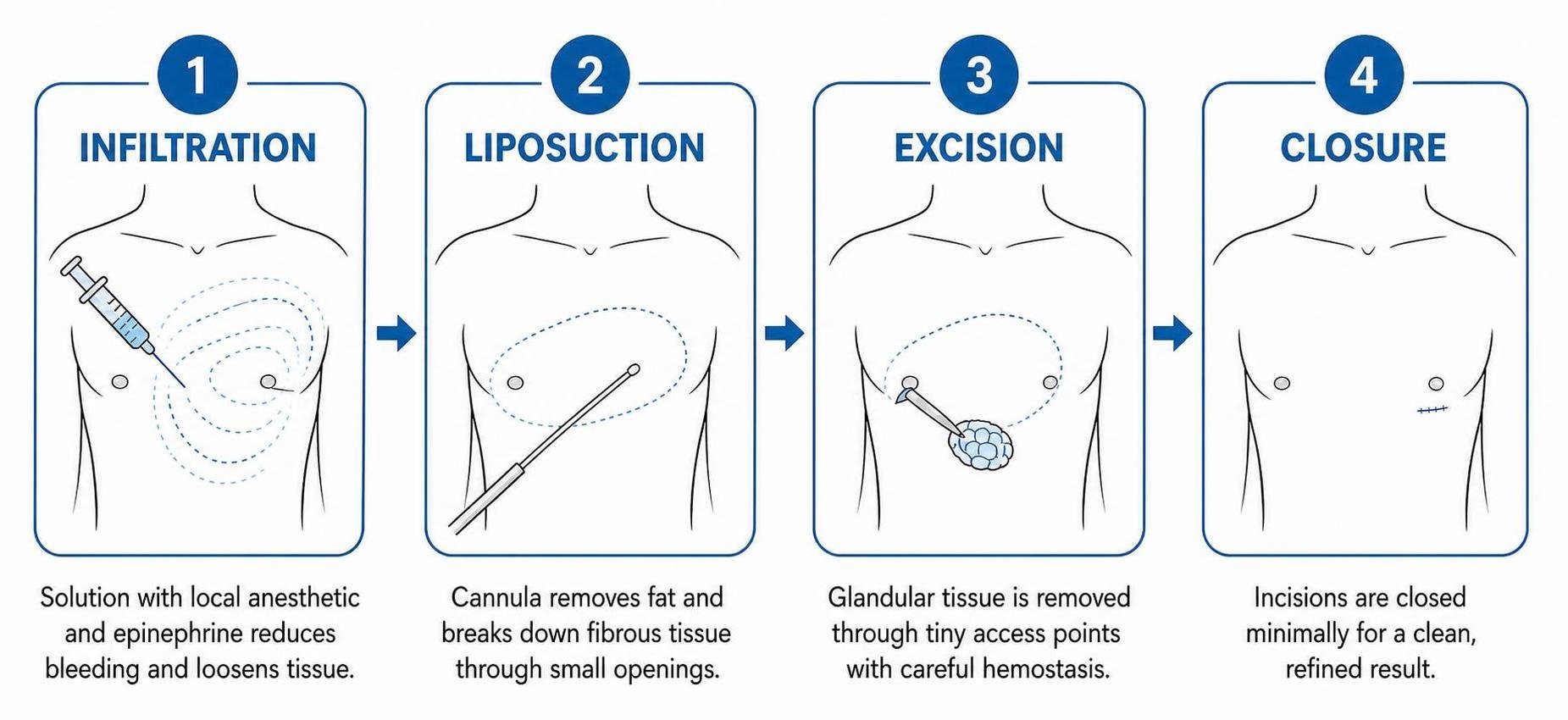
A surgical plan may include one or more of the following techniques:
Tumescent infiltration: A solution containing saline, local anesthetic, and epinephrine is used to prepare the treatment area and reduce bleeding.
Liposuction: Specialized cannulas remove excess fatty tissue and help blend the chest contour.
Direct glandular excision: Firm breast tissue can be removed through a carefully placed incision when liposuction alone is unlikely to achieve an adequate contour. A single-incision gland resection study of 30 patients used a 1-cm inferolateral areolar incision; Abdelmaksoud et al., 2025 reported a mean operative time of 35.7 minutes and a 3.3% hematoma rate.
Skin management: When excess skin is significant, skin-tightening or excisional techniques may be considered.
Minimally Invasive and Endoscopic Innovations
Smaller-incision and endoscopic approaches may be appropriate for selected patients. A refined anatomy endoscopic research series included 786 patients and described endoscopic access designed to support visualization and contour symmetry. These techniques can improve visualization and allow surgeons to work through strategically placed access points while focusing on contour symmetry.
The right technique is not the same for every patient. Gynecomastia grade, skin elasticity, tissue density, prior weight changes, and aesthetic goals should all be reviewed during a consultation.
Benefits of Gynecomastia Surgery
Gynecomastia surgery can address chest fullness that does not improve with exercise or weight management alone. For many patients, the benefits of male chest surgery extend beyond a flatter chest contour and may include greater comfort in fitted clothing and improved confidence in social settings.
A more defined chest contour: Removing excess fatty and glandular tissue can help create a firmer, more proportionate chest.
Improved clothing fit: Patients often find that T-shirts, dress shirts, and swimwear fit more comfortably after healing.
A tailored surgical plan: The procedure can be adapted to the amount and type of tissue present, skin quality, and desired contour.
Long-lasting results: When the factors contributing to gynecomastia are stable, surgical results can be durable.
Treatment Consideration
What It Means for Your Plan
Amount of fatty tissue
May influence whether liposuction is recommended.
Amount of firm glandular tissue
May require direct excision for a smoother result.
Skin elasticity
Helps determine whether the skin can redrape after tissue removal.
Chest asymmetry
May require individualized contouring on each side.
Health history and medications
Helps the surgeon identify potential causes and plan safely.
Who Is a Candidate for Gynecomastia Surgery?
Candidates often have persistent chest fullness caused by glandular tissue, excess fat, or a combination of both. A consultation can help distinguish gynecomastia from isolated chest fat and identify any medical factors that should be addressed before surgery.
Patients are commonly evaluated for several factors. In one pediatric outpatient study, 21 boys with a median age of 14.5 years had surgery and were discharged the same day; two developed mild seromas that resolved with external compression.
Stable weight: Significant future weight changes can affect the chest contour.
Good skin elasticity: Skin that can redrape smoothly may support a more refined result.
Realistic expectations: Surgery can improve the chest contour, but it cannot create perfect symmetry.
A commitment to recovery instructions: Following activity restrictions and follow-up guidance supports safe healing.
Patients with more severe skin laxity or substantial chest enlargement may need a more extensive procedure. The appropriate approach is determined individually during consultation.
Gynecomastia Surgery Recovery
Recovery after gynecomastia surgery varies with the extent of treatment, the techniques used, and the patient’s overall health. Your surgeon will provide a personalized plan for compression, wound care, activity, and follow-up appointments. Understanding how long recovery takes after gynecomastia can help set realistic expectations.
The Compression Garment
A medical compression vest can provide gentle, continuous pressure over the chest during early healing. It helps support the treated area and is typically worn according to the surgeon’s instructions.
Activity Milestones
Days 1–3: Light walking around the house is generally encouraged. Avoid heavy lifting and strenuous upper-body activity.
Weeks 1–2: Many patients can return to desk-based work and routine daily activities, depending on comfort and the surgical plan.
Weeks 3–4: Light cardiovascular exercise may be reintroduced with the surgeon’s approval.
Weeks 4–6: Upper-body strength training, running, and contact sports may be resumed only after clearance at a follow-up visit.
Frequently Asked Questions About Gynecomastia Surgery
Gynecomastia surgery is generally safe when performed by a qualified plastic surgeon for an appropriate candidate. Every procedure carries risks, including bleeding, infection, contour irregularity, changes in sensation, scarring, and the possibility of revision surgery. A consultation is the right time to review personal risk factors and expected benefits.
Will gynecomastia return after surgery?
Results are often long-lasting when the underlying cause is stable. However, chest fullness can recur if hormonal factors, medications, significant weight changes, or other contributors are not addressed. Your surgeon may recommend discussing persistent or unexplained gynecomastia with a primary care physician or specialist.
When can I return to normal workouts after surgery?
Most patients begin light walking shortly after surgery. Light cardio may be possible after several weeks, while chest-focused exercise and heavy lifting usually require clearance at a follow-up appointment. The exact timeline depends on the extent of surgery and how healing is progressing.
Conclusion
Gynecomastia surgery can be an effective option for men who want a flatter, more defined chest after non-surgical efforts have not addressed persistent tissue fullness. Careful evaluation, an individualized surgical plan, and attentive recovery guidance are central to achieving a natural-looking result.
At Tenley K Lawton MD in Newport Beach, CA, we provide personalized male chest contouring based on each patient’s anatomy and goals. To discuss your options, schedule a male chest contouring consultation with our board-certified team.
References
Abdelmaksoud SM, Omran A, Elagamy KMM, Elhendawy MA, Mahmoud BA. “Cross-chest liposuction plus gland resection through single minimal incision for management of grade I/II gynecomastia.” BMC Surgery, 2025. PMCID PMC12224700. Read the BMC Surgery article.
Adhikari S. “Minimal Incision Technique for Gynecomastia.” Journal of Cutaneous and Aesthetic Surgery, 2021. PMCID PMC8611696.
Carlos Delgado-Miguel, Ennio Fuentes, Pablo Aguado, Ricardo Díez. Children, 2025. Related gynecomastia study.