October 1, 2026
What Are the Fundamental Differences Between Non-Surgical and Surgical Skin Tightening?
Non-surgical skin tightening uses energy-based devices to heat the dermis and stimulate new collagen, making it best for mild-to-moderate laxity and early skin crepiness. Surgical skin tightening physically repositions deeper facial or body structures and removes excess skin, making it the appropriate choice for advanced sagging, prominent jowls, or significant tissue redundancy. The key distinction is that non-surgical treatments remodel skin from within, while surgery corrects structural laxity by lifting and excising tissue.
Skin laxity is an inevitable part of the biological aging process. As we age, our bodies produce less collagen and elastin—the structural proteins responsible for keeping skin firm, supple, and resilient. Environmental stressors like ultraviolet (UV) radiation, oxidative damage, natural fluctuations in body weight, and genetic predisposition accelerate this breakdown. Over time, the supportive dermal framework thins, subcutaneous fat pads shift or diminish, and the underlying muscular foundation loses its youthful tension.
When evaluating how to address sagging skin, treatments fall into two distinct clinical categories: non-surgical collagen stimulation and surgical structural correction.
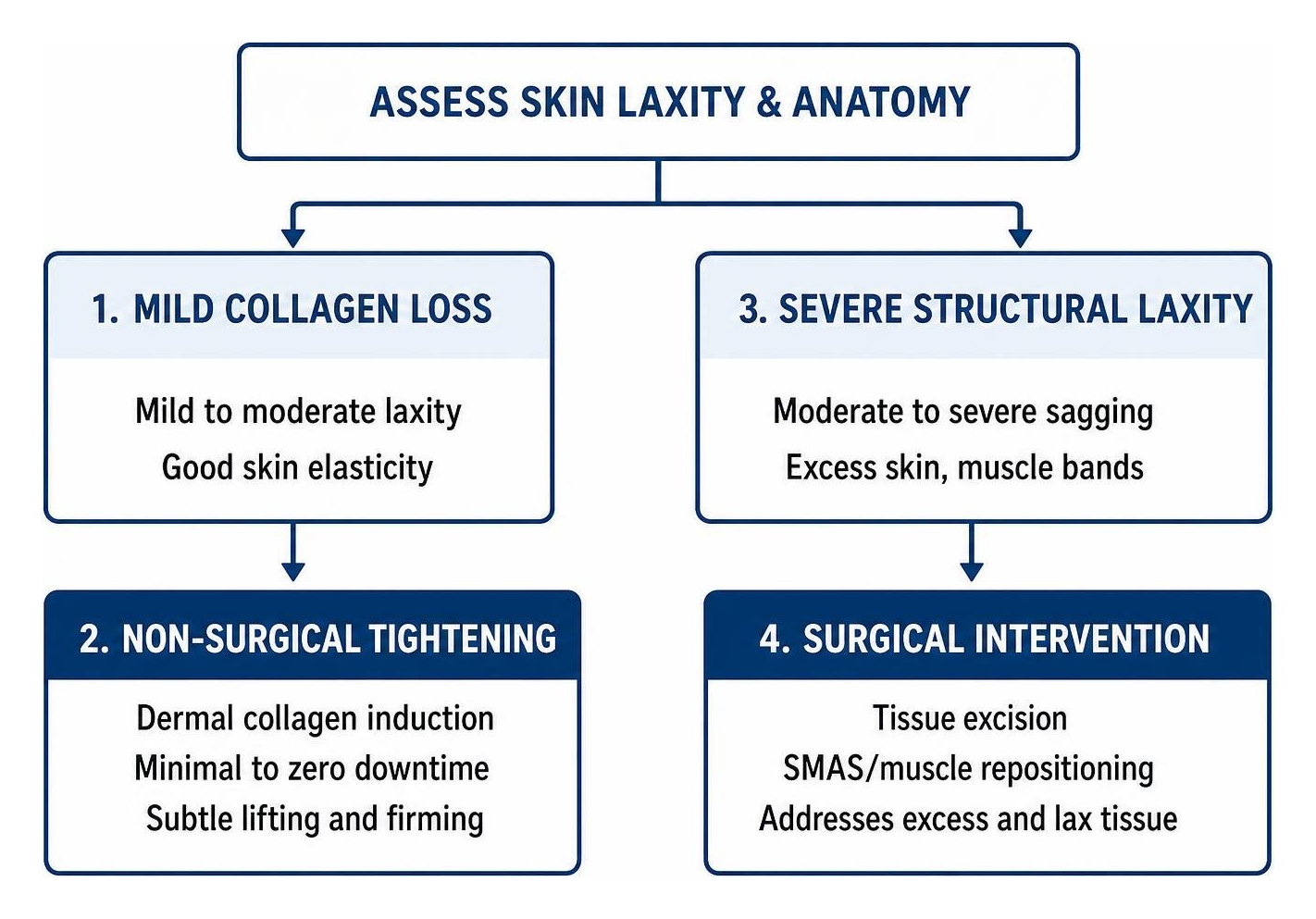
Non-surgical skin tightening relies on advanced energy-based modalities to deliver controlled thermal energy directly into the dermis and subdermal tissue. This controlled heat creates micro-injuries that trigger the body’s wound-healing cascade, stimulating fibroblasts to generate fresh collagen fibers and remodel the existing extracellular matrix. The primary objective is to improve tissue density, firm skin texture, and provide subtle lifting without incisions or mechanical alterations.
In contrast, surgical skin tightening directly addresses the deeper anatomical foundations of the face and body. Rather than relying on cellular repair to contract tissue, surgery physically repositions displaced fat compartments, tightens the superficial muscular aponeurotic system (SMAS) or underlying muscle layers, and surgically excises redundant, stretched skin.
Understanding the fundamental mechanical distinction helps set realistic clinical expectations: non-surgical devices remodel skin from within, whereas surgical procedures physically reposition and reduce excess anatomical tissue.
How Energy-Based Non-Surgical Devices Work
Energy-based non-surgical devices operate on the principle of neocollagenesis. By applying targeted energy in the form of radiofrequency (RF), focused ultrasound, or laser energy, these systems heat deeper dermal layers to a precise therapeutic temperature (typically between 40°C and 65°C). This thermal exposure instantly contracts existing collagen fibers while signaling the body to produce new structural proteins over the following three to six months.
Modern aesthetic medicine uses combined modalities for enhanced depth control and cellular response. For instance, advanced treatments like Morpheus8 radiofrequency microneedling deliver fractional RF energy through micro-pins directly into the subdermal tissue. This allows us to target both deep dermal remodeling and superficial skin tightening simultaneously, smoothing fine lines and contracting mild laxity along the lower face, neck, and body.
To optimize overall skin tone, cellular turnover, and surface clarity, we frequently integrate complementary modalities such as SkinPen microneedling. These collagen-induction treatments refine epidermal texture and superficial elasticity, serving as an ideal complement to deeper energy-based tightening.
How Surgical Interventions Restore Contour
While non-surgical treatments work within the skin’s biological capacity to regenerate, surgery changes structural architecture. Over decades of movement, gravity, and tissue elongation, the SMAS layer and platysma muscles in the neck loosen, and the skin envelope stretches past its elastic limit.
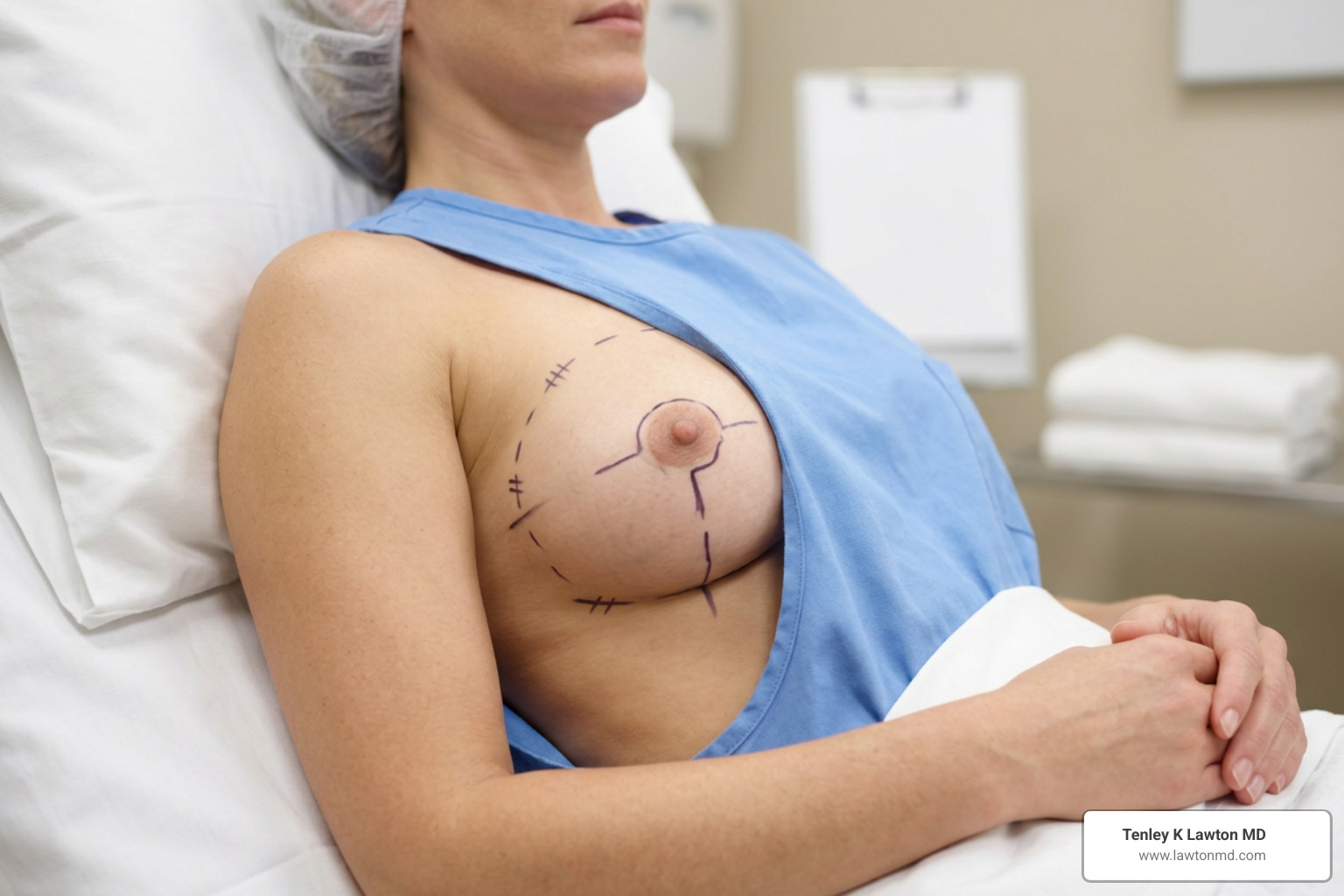
During a surgical procedure, we make discreet incisions along natural anatomical contours. We elevate and reposition the underlying muscle and connective tissue matrices back to their youthful positions, redrape the overlying skin tension-free, and meticulously excise the surplus cutaneous tissue.
This mechanical repositioning provides structural support that energy devices cannot replicate. Whether performing a facial rejuvenation procedure or body contouring operations like abdominoplasty or arm lifts, surgery permanently removes excess tissue volume, eliminating sagging folds and restoring defined contours.
Who Is the Ideal Candidate for Non-Surgical Skin Tightening?
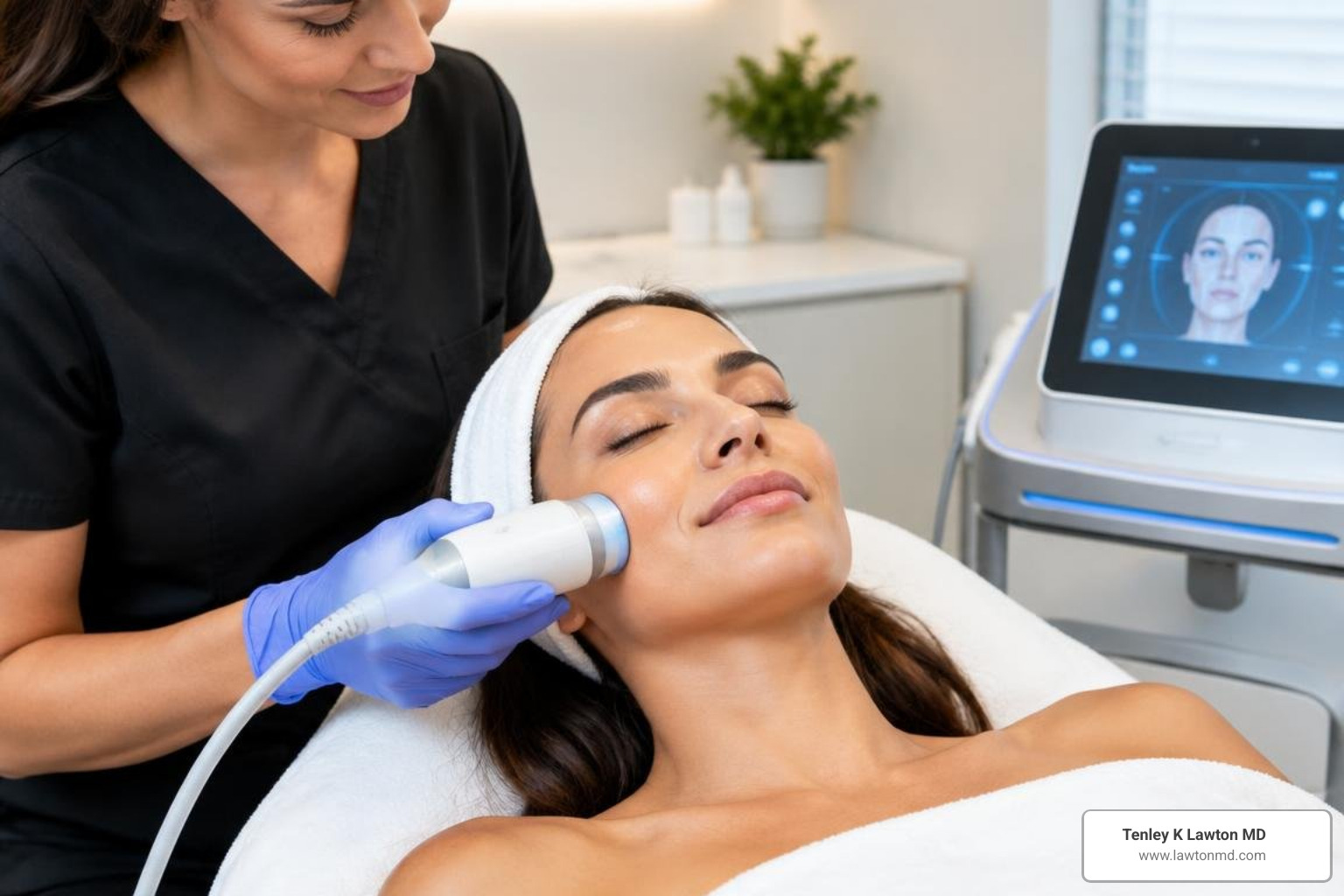
Non-surgical skin tightening produces the best clinical outcomes in patients with mild-to-moderate skin laxity who maintain reasonable tissue elasticity. These individuals are typically beginning to notice early biological changes but have not yet developed significant structural sagging or deep tissue displacement.
The ideal candidate for non-invasive tightening generally exhibits:
- Mild submental softening: Early loss of definition beneath the chin without substantial platysmal muscle banding.
- Early lower face laxity: Slight descent along the jawline, creating subtle softening rather than pronounced jowls.
- Localized skin crepiness: Fine, crepey skin texture on the cheeks, neck, décolletage, or above the knees.
- Good underlying collagen reserve: Patients typically in their 30s to early 50s whose fibroblasts still mount a robust regenerative response to thermal stimulation.
- Realistic aesthetic expectations: Patients who desire subtle, gradual improvements in skin firmness and texture rather than dramatic contour repositioning.
When evaluating non-surgical skin tightening options, we assess individual skin thickness, tissue compliance, and patient lifestyle. Non-invasive tightening is also an excellent option for patients who cannot undergo surgery due to medical contraindications or those who cannot accommodate surgical downtime.
The Boundaries and Limitations of Non-Invasive Technologies
Despite marketing claims that suggest energy devices can “replace a facelift,” non-surgical technology has clear anatomical boundaries.
Energy-based devices cannot:
- Remove redundant skin: If you can pinch and gather significant folds of loose, hanging skin, non-surgical heating will not eliminate that excess volume.
- Reposition separated muscles: Platysmal banding (vertical neck cords) or diastasis recti (abdominal muscle separation) require surgical repair; thermal energy cannot suture or structurally reapproximate separated muscles.
- Elevate deep fat compartments: Descended buccal or malar fat pads cannot be lifted back onto the cheekbones using non-invasive heat alone.
Attempting to treat advanced skin laxity with repeated non-surgical treatments often leads to “treatment fatigue,” unnecessary expense, and disappointment. When tissue redundancy has progressed beyond a mild threshold, continued non-surgical heating delivers diminishing returns.
When Does Skin Laxity Require Surgical Intervention?
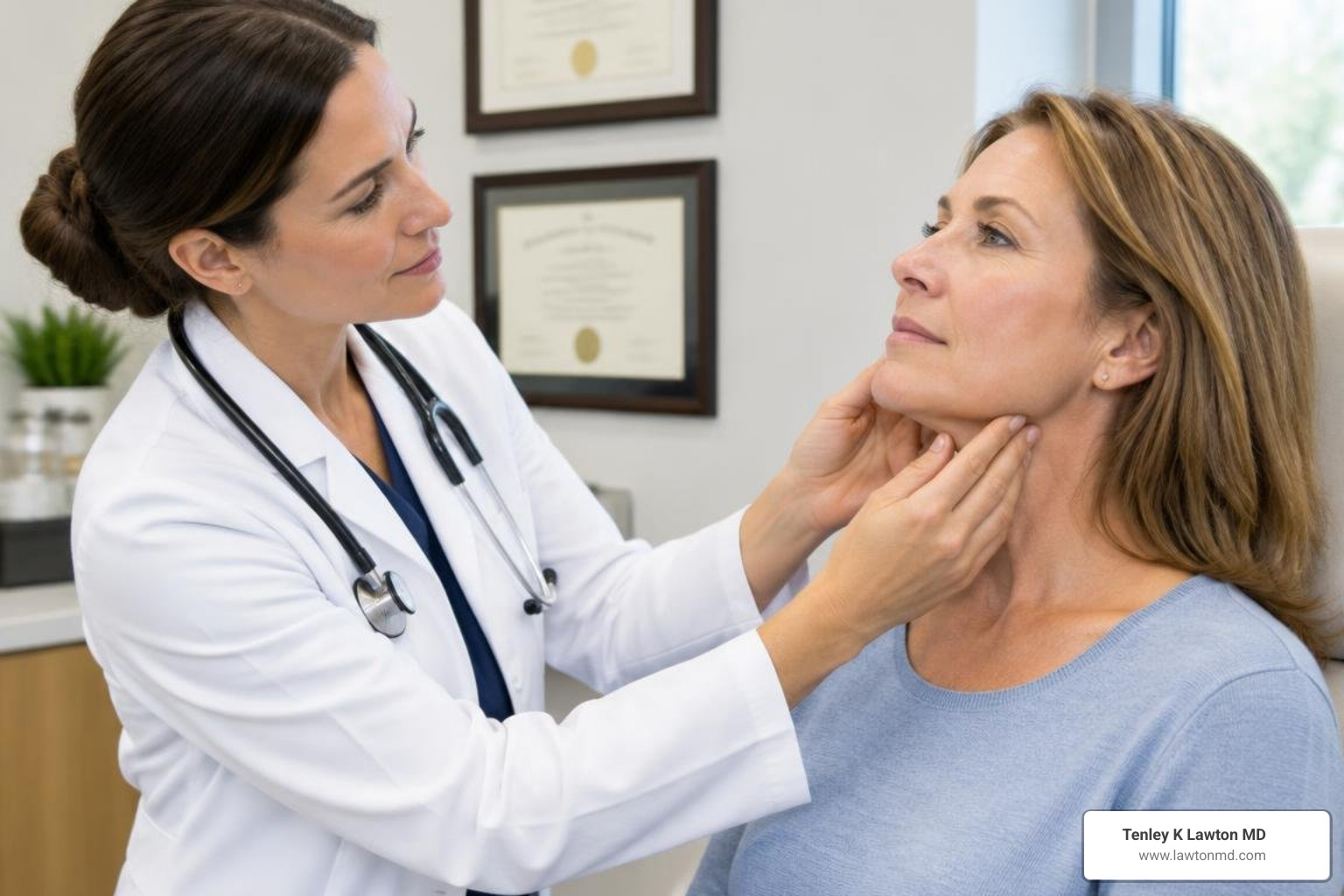
Knowing when you need surgical intervention comes down to evaluating whether your aesthetic concerns are dermal (skin quality) or structural (tissue redundancy and muscle laxity). When structural descent and surplus skin are present, surgery becomes the necessary, predictable path to rejuvenation.
Clinical signs indicating it is time for a surgical approach include:
- Prominent jowls: Heavy skin and fat descent obscuring the mandibular border and interrupting the straight jawline.
- Significant platysmal bands and neck laxity: Prominent vertical muscle cords in the neck combined with loose, hanging submental skin (the “turkey neck” appearance).
- Deep nasolabial folds and marionette lines: Severe folds caused by midface fat descent that dermal fillers or RF devices can no longer effectively balance.
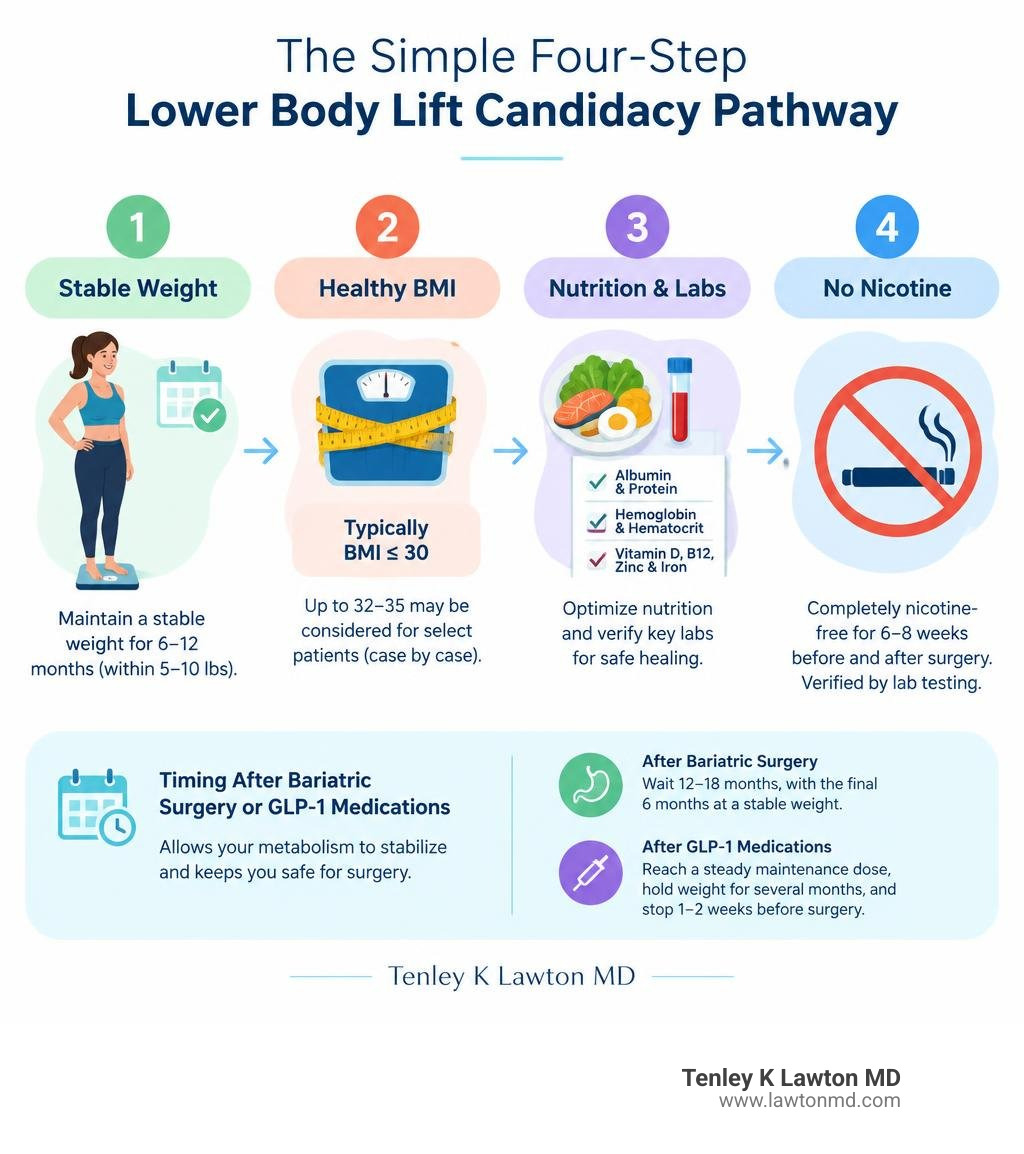
- Excess tissue following massive weight loss: Severe skin laxity across the abdomen, arms, thighs, or breasts after substantial weight loss, where the skin has stretched beyond its physiological ability to retract.
- Deep peri-orbital sagging: Heavy upper eyelid hooding or pronounced lower eyelid fat herniation that requires blepharoplasty rather than surface tightening.
If you are evaluating whether you are a facelift candidate, our comprehensive anatomical evaluation will assess whether your concerns stem from surface skin changes or deep tissue descent.
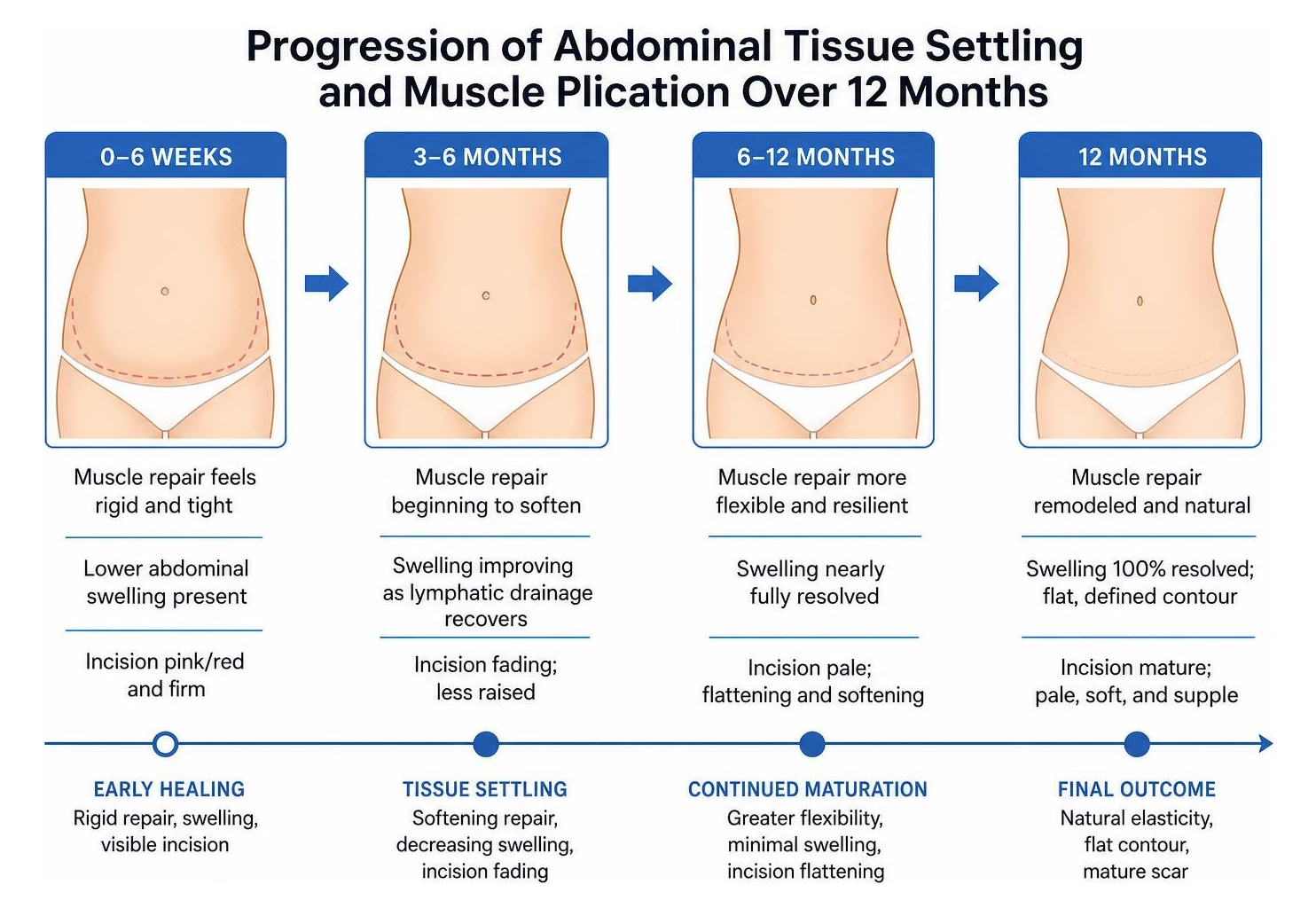
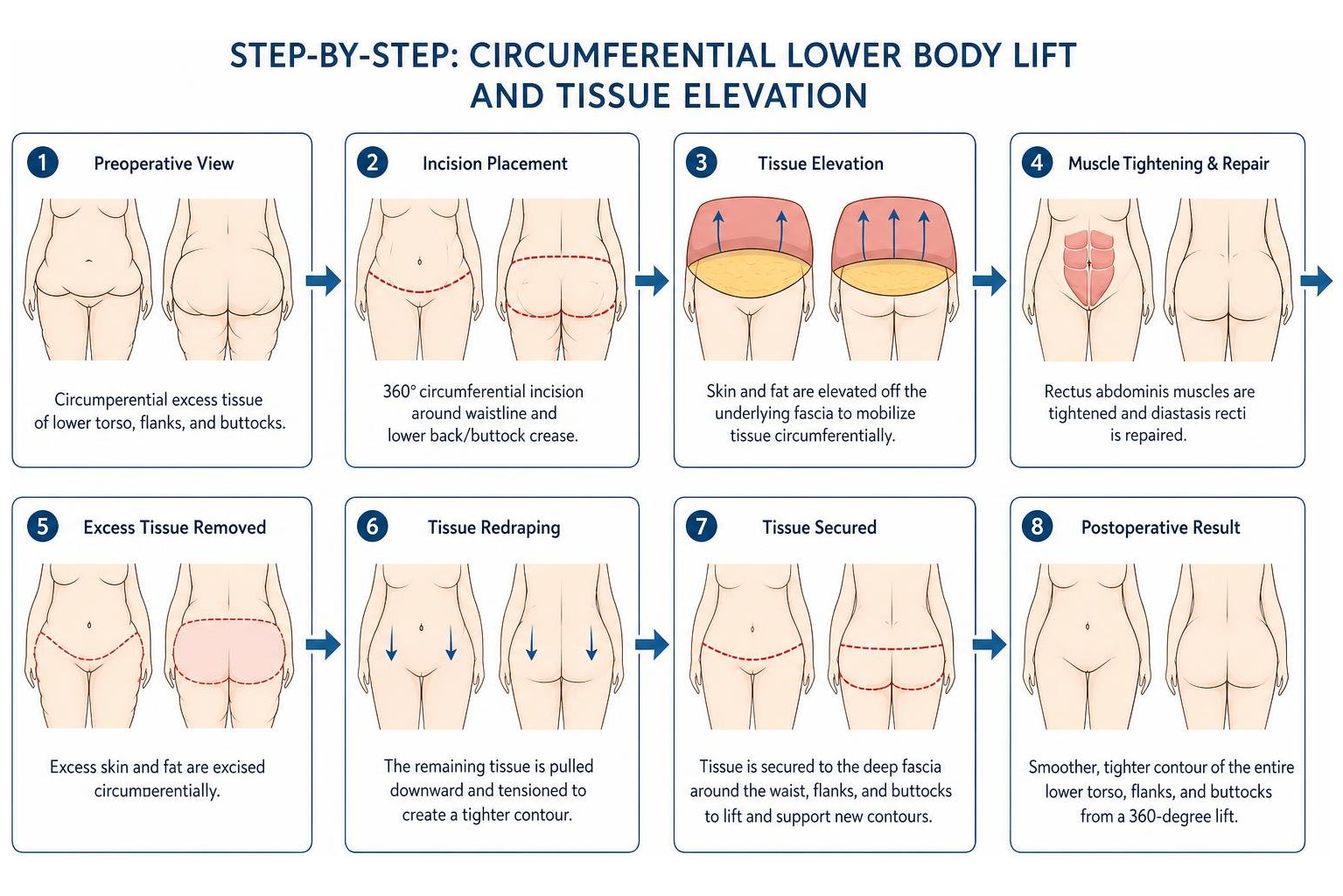
Similarly, patients seeking guidance on tightening skin after substantial weight loss learn that significant skin folds require surgical body contouring—such as a tummy tuck or body lift—because the elastic fibers within the dermis have fractured permanently.
Selecting the Right Surgical Technique for Your Anatomy
Modern aesthetic surgery focuses on individualized, anatomically based plans that avoid the unnatural, overly tightened appearances of past decades. Rather than pulling the skin tight across the face, contemporary surgical techniques reposition the deeper structural framework.
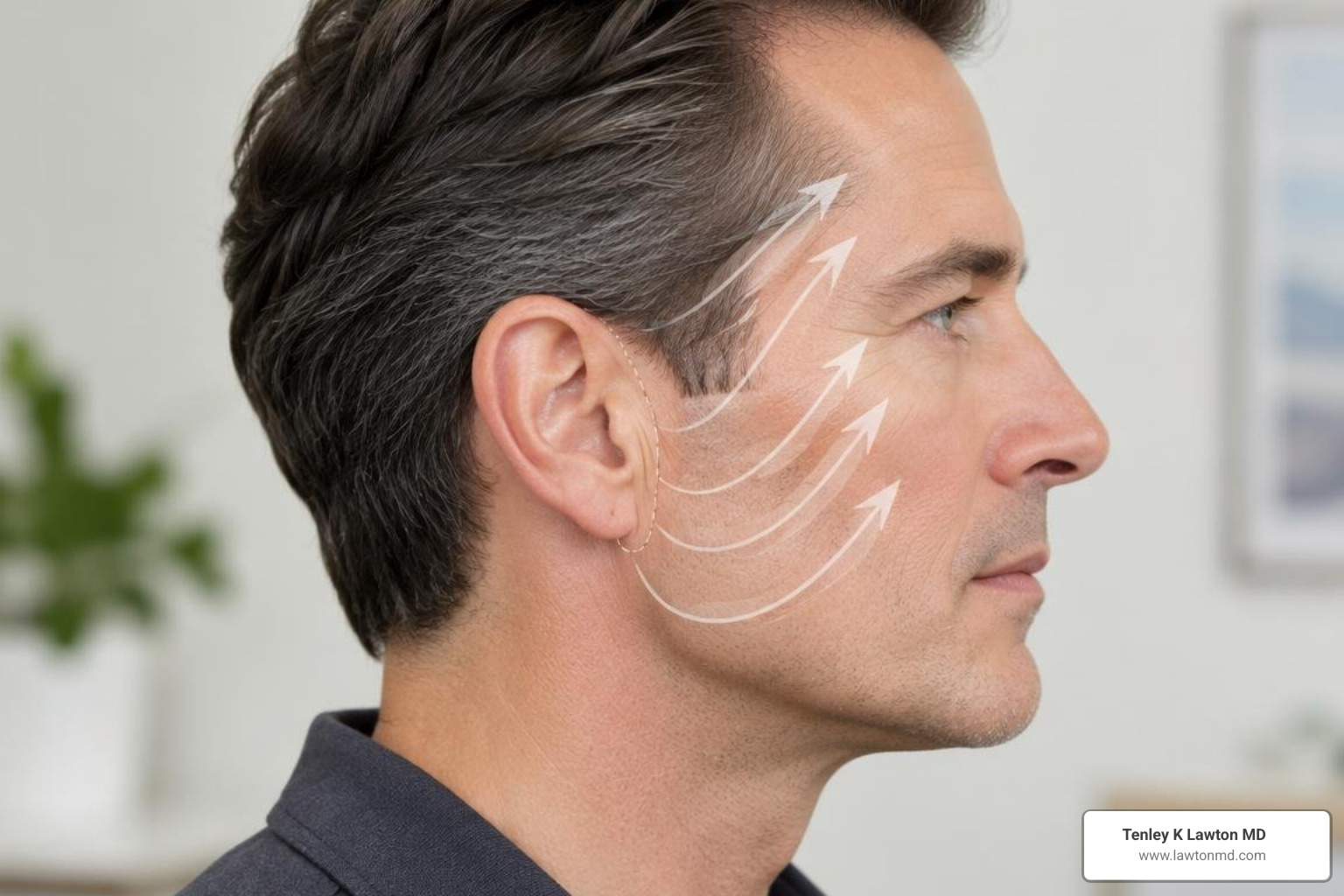
By utilizing customized facelift procedures, such as SMAS plication, SMASectomy, or deep-plane lifting, we elevate the underlying facial tissues vertically against gravity. Once the deep structures are secure, the skin is redraped naturally over the restored contours, and the excess is trimmed away without tension on the incision lines.
The primary benefits of a surgical facelift include restoring crisp mandibular definition, smoothing the neck angle, and providing comprehensive facial harmony that lasts for years. When addressing body laxity, surgical excisions (such as abdominoplasty, brachioplasty, or medial thigh lifts) physically eliminate hanging skin folds, creating smooth contours that no device can achieve.
How Do Recovery Times, Longevity, and Results Compare?
Recovery expectations, longevity of results, and overall transformation differ significantly between non-surgical and surgical modalities. Choosing the right path requires balancing your personal schedule, comfort level with downtime, and long-term aesthetic goals.
Non-surgical treatments provide immediate convenience. Most patients experience only mild erythema (redness) and localized swelling that resolves within a few days. Because these devices stimulate internal biological repair, results appear gradually over several months. However, because natural aging continues, non-surgical outcomes generally last one to two years, requiring annual maintenance sessions to sustain collagen density.
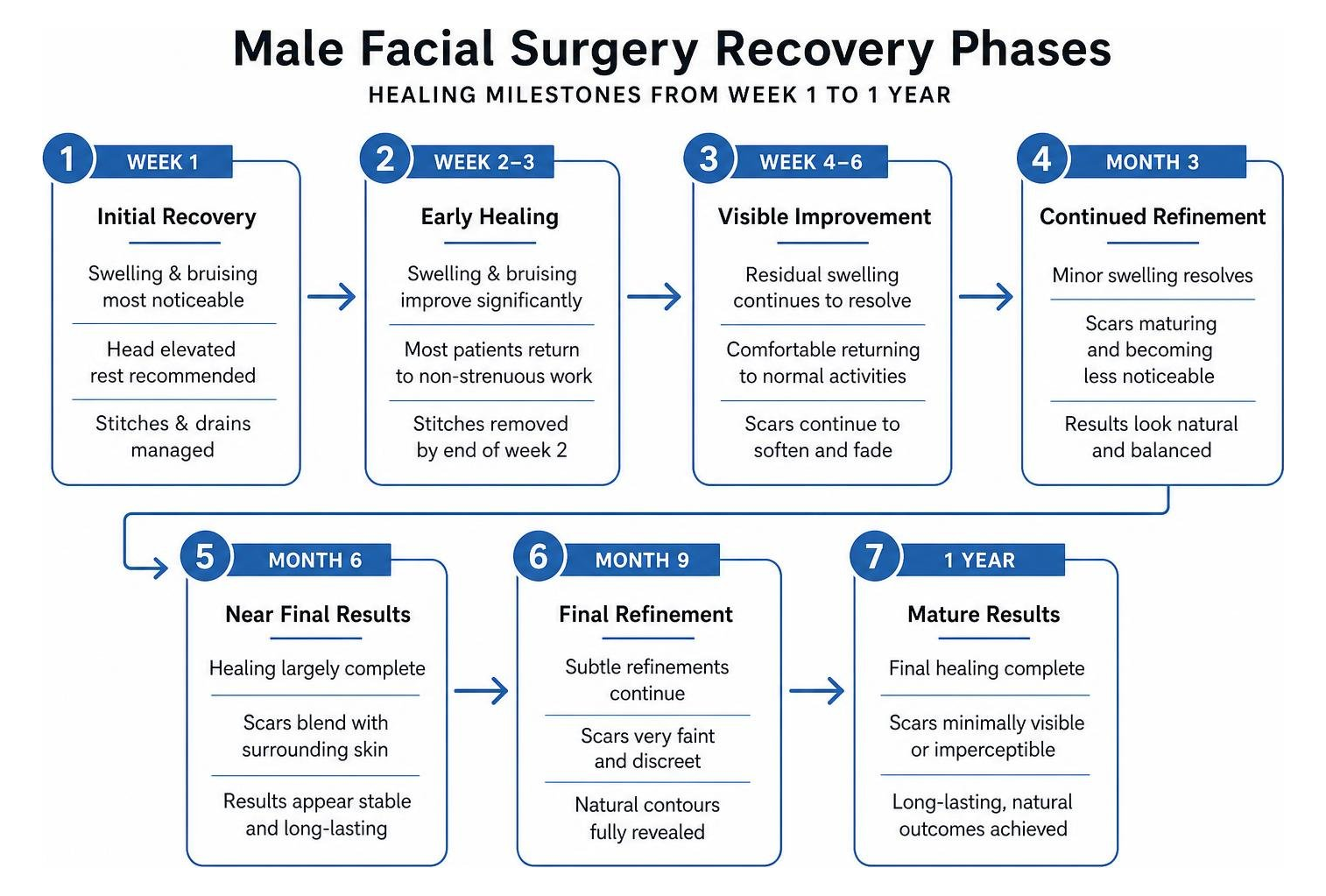
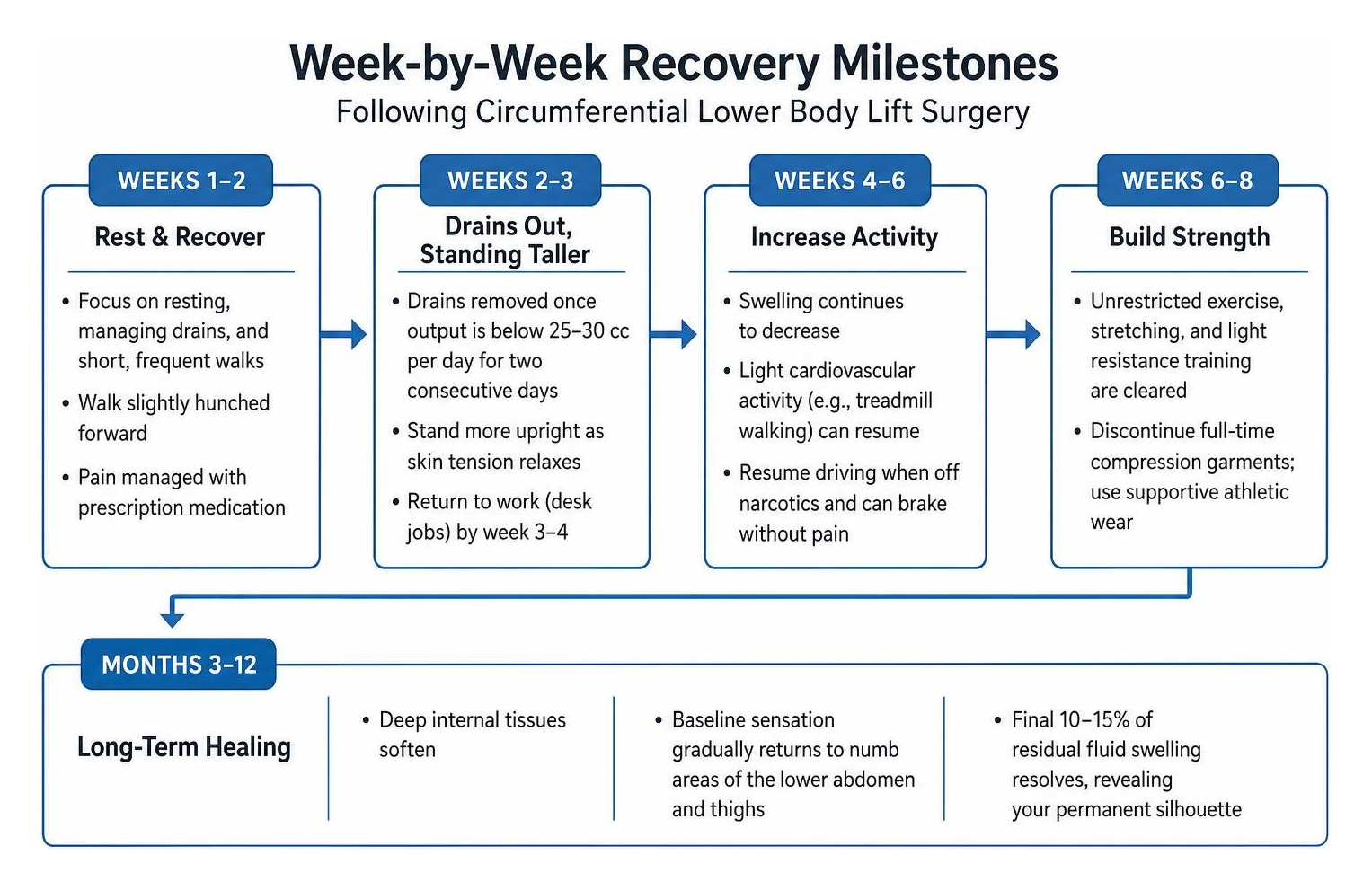
Surgical recovery is a more involved physical investment. Patients typically plan for 10 to 14 days away from work and social obligations to manage swelling and bruising. Strenuous physical activity is restricted for four to six weeks to ensure proper wound healing.
However, surgery delivers profound, lasting rejuvenation. By removing excess tissue and anchoring the deeper anatomy, a well-executed surgical procedure resets your baseline appearance by a decade or more. According to data from the American Society of Plastic Surgeons, structural surgical repositioning addresses laxity across deeper anatomical layers that surface treatments cannot reach. While your skin will continue to age naturally, you will consistently look years younger than if you had never undergone the procedure.
Can Non-Surgical and Surgical Treatments Be Combined Over Time?
Aesthetic medicine is not an “either-or” decision. In practice, non-surgical and surgical treatments complement each other, working synergistically across different tissue depths.
Surgery repositions deeper muscles, tightens the SMAS, and removes loose skin folds, but it does not alter the cellular quality or pigmentation of the epidermis. A surgical lift cannot erase sunspots, repair broken capillaries, or restore lost surface elasticity.
To maintain optimal aesthetic health, we frequently combine structural surgery with non-surgical skin therapies:
- Pre-Surgical Conditioning: Using non-invasive collagen-stimulating devices to improve skin thickness and vascularity before surgical redraping.
- Post-Surgical Maintenance: Using RF microneedling one to two years after surgery to maintain dermal elasticity and prolong surgical results.
- Surface Tone and Pigmentation: Integrating advanced Lumecca IPL photofacials to clear dyschromia, sun damage, and vascular lesions.
- Epidermal Renewal: Applying customized chemical peels to refine pore structure, stimulate cellular turnover, and smooth fine superficial lines.
By viewing aesthetic care as a long-term continuum, you can use surgery to restore your structural foundation and non-surgical modalities to preserve radiant skin quality over time.
What Are the Most Common Questions About Skin Tightening Options?
Can non-surgical skin tightening completely replace surgery?
Non-surgical skin tightening cannot completely replace surgery when there is significant excess skin or deeper muscle laxity. Energy-based devices work by inducing micro-thermal injury to stimulate collagen remodeling, which can contract mild laxity and improve dermal thickness.
However, they cannot physically trim redundant skin folds, elevate descended facial fat pads, or repair separated neck muscles. While non-surgical treatments can delay the need for surgery in younger patients, they cannot replicate the comprehensive structural restoration achieved through surgical intervention.
Is non-surgical skin tightening inherently safer than a surgical procedure?
Both non-surgical and surgical procedures have strong safety profiles when performed by qualified, experienced medical providers. Non-surgical options carry lower systemic risks because they do not require general anesthesia, deep incisions, or extensive healing periods.
However, energy devices can still cause complications—such as burns, fat necrosis, hyperpigmentation, or scarring—if operated incorrectly. Surgical safety depends on thorough preoperative screening, board certification, accredited surgical facilities, and skilled surgical technique. Matching the right procedure to the right candidate is the most critical safety factor for both approaches.
Will surgical skin tightening leave visible or unnatural results?
Modern surgical techniques are specifically designed to preserve natural facial mobility and avoid an artificial, “windswept” appearance. The unnatural results associated with older facelifts occurred because surgeons pulled the skin layer itself tight across underlying facial structures.
Today, we reposition the deeper SMAS muscle layer to support facial volume naturally. The skin is then gently redraped over this restored framework without tension. Surgical incisions are placed discreetly inside the ear canal, around the earlobe, and within the hairline, where they heal into nearly invisible, inconspicuous lines.
How Do You Decide Which Skin Tightening Treatment Is Right for You?
Choosing between non-surgical and surgical skin tightening requires a thorough, objective assessment of your anatomy, tissue health, and personal aesthetic goals.
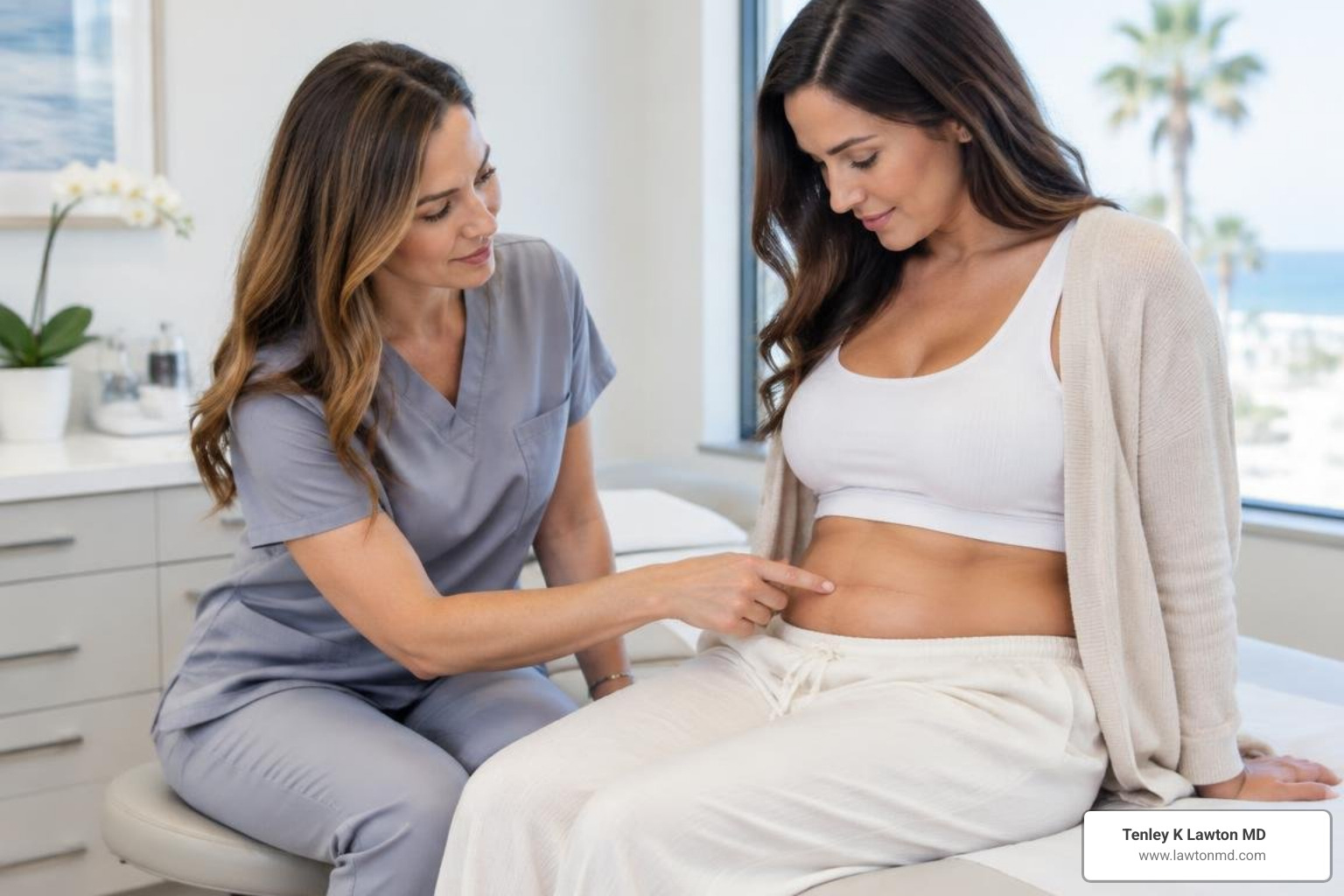
During your private consultation at our Newport Beach practice, Dr. Tenley Lawton conducts a detailed anatomical evaluation to assess:
- The exact grade and distribution of your skin laxity
- The quality, thickness, and elastic recoil of your dermis
- Underlying structural changes, including muscle separation and volume loss
- Your personal timeline, lifestyle, and comfort with recovery periods
As a board-certified plastic surgeon, Dr. Lawton offers both advanced non-surgical modalities and surgical procedures. This breadth of expertise ensures you receive an unbiased, transparent recommendation tailored strictly to what will deliver the safest, most natural-looking, and longest-lasting outcome for your unique anatomy.
If you are ready to evaluate your skin tightening options and design a personalized aesthetic plan, contact our team to schedule your consultation at Tenley K. Lawton, M.D. today.