
How Does a Lower Body Lift Work Compared to Other Contouring Procedures?
A lower body lift (frequently called a belt lipectomy) is a 360-degree contouring surgery that removes excess skin and lifts the abdomen, flanks, buttocks, and outer thighs. It is designed for weight-stable post-weight-loss patients with circumferential loose skin. When you experience massive weight loss, your skin stretches to accommodate the prior volume. Over months or years, the skin loses its underlying elasticity—specifically the collagen and elastin fibers that allow it to retract. Once the fat cells shrink, the structural scaffolding of the dermis cannot bounce back. The result is a circumferential band of deflated, hanging tissue that wraps around the entire waistline.
A belt lipectomy is engineered specifically for this anatomical reality. While anterior procedures focus exclusively on the front, a belt lipectomy treats the lower third of the torso as a single connected unit.
Understanding how this surgery compares to traditional anterior procedures helps clarify why it represents a distinct category of body contouring:
- Tummy Tuck (Abdominoplasty): A traditional tummy tuck isolates the front abdominal wall. We excise the apron of excess skin between the belly button and the pubic bone, reposition the umbilicus, and tighten the underlying rectus abdominis muscles (treating diastasis recti). It stops at the hips and does nothing for sagging buttocks, outer thighs, or lower back rolls.
- Panniculectomy: A functional, non-cosmetic procedure aimed solely at amputating the overhanging “apron” (pannus) of lower abdominal skin and fat. It involves no muscle repair, no waistline narrowing, no aesthetic belly button repositioning, and no posterior lifting.
- Lower Body Lift (Belt Lipectomy): A comprehensive 360-degree excision. We tighten the front abdominal wall, repair rectus diastasis, lift the mons pubis, elevate the lateral thighs, smooth the flanks, and lift the buttocks by pulling the posterior tissue upward and securing it to the deep fascia.
The Surgical Experience and Procedural Logistics
Because a lower body lift reshapes the entire lower midsection, it is a complex, meticulously orchestrated operation that typically takes between 4 and 7 hours under general anesthesia.
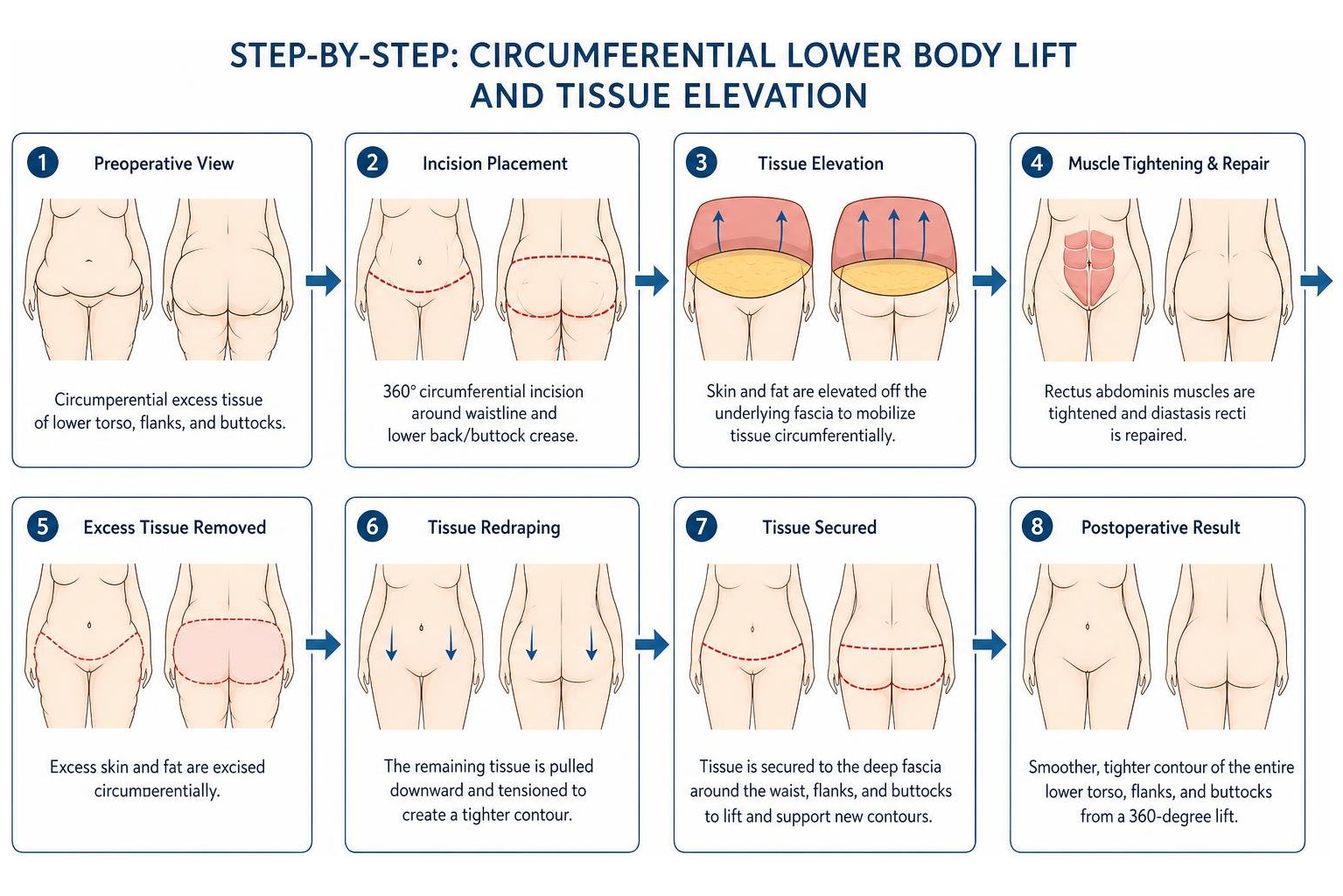
During the procedure, our surgical team carefully repositions you on the operating table to address both the anterior and posterior planes safely:
- Posterior Phase: While you are positioned prone (face down) or on your side, we remove the wedge of skin and tissue across the lower back and upper buttocks. The gluteal tissue is suspended upward to restore projection and firmness.
- Anterior Phase: You are turned into a supine (face up) position. We perform the abdominoplasty component, repairing the separated abdominal muscles along the midline, redraping the abdominal skin downward, creating a natural new opening for the belly button, and excising the redundant tissue.
- Closure and Drainage: We close the continuous incision in multiple deep, tension-bearing layers using dissolvable sutures. Closed-suction surgical drains are placed beneath the skin flaps to prevent fluid accumulation (seroma formation) during early healing.
| Feature | Lower Body Lift (Belt Lipectomy) | Standard Tummy Tuck | Functional Panniculectomy |
|---|---|---|---|
| Anatomical Scope | 360° Circumferential (Abdomen, Flanks, Lower Back, Buttocks, Outer Thighs) | Anterior Torso (Abdomen and Mons Pubis only) | Lower Abdominal Overhang (Pannus only) |
| Muscle Repair | Yes (Rectus abdominis plication) | Yes (Rectus abdominis plication) | No |
| Buttock & Thigh Elevation | Yes (Suspends gluteal and lateral thigh tissue) | No | No |
| Incision Extent | Continuous circle around the entire waistline | Hip bone to hip bone along lower abdomen | Transverse lower abdominal incision |
| Surgical Duration | 4 to 7 hours | 2 to 3.5 hours | 1.5 to 3 hours |
| Anesthesia | General anesthesia | General anesthesia | General anesthesia |
| Average Recovery to Desk Work | 3 to 4 weeks | 2 weeks | 1 to 2 weeks |
Careful surgical marking and precise anatomical planning ensure that each zone is addressed seamlessly to achieve a harmonious, balanced silhouette.
Circumferential Incision Technique and Scar Placement
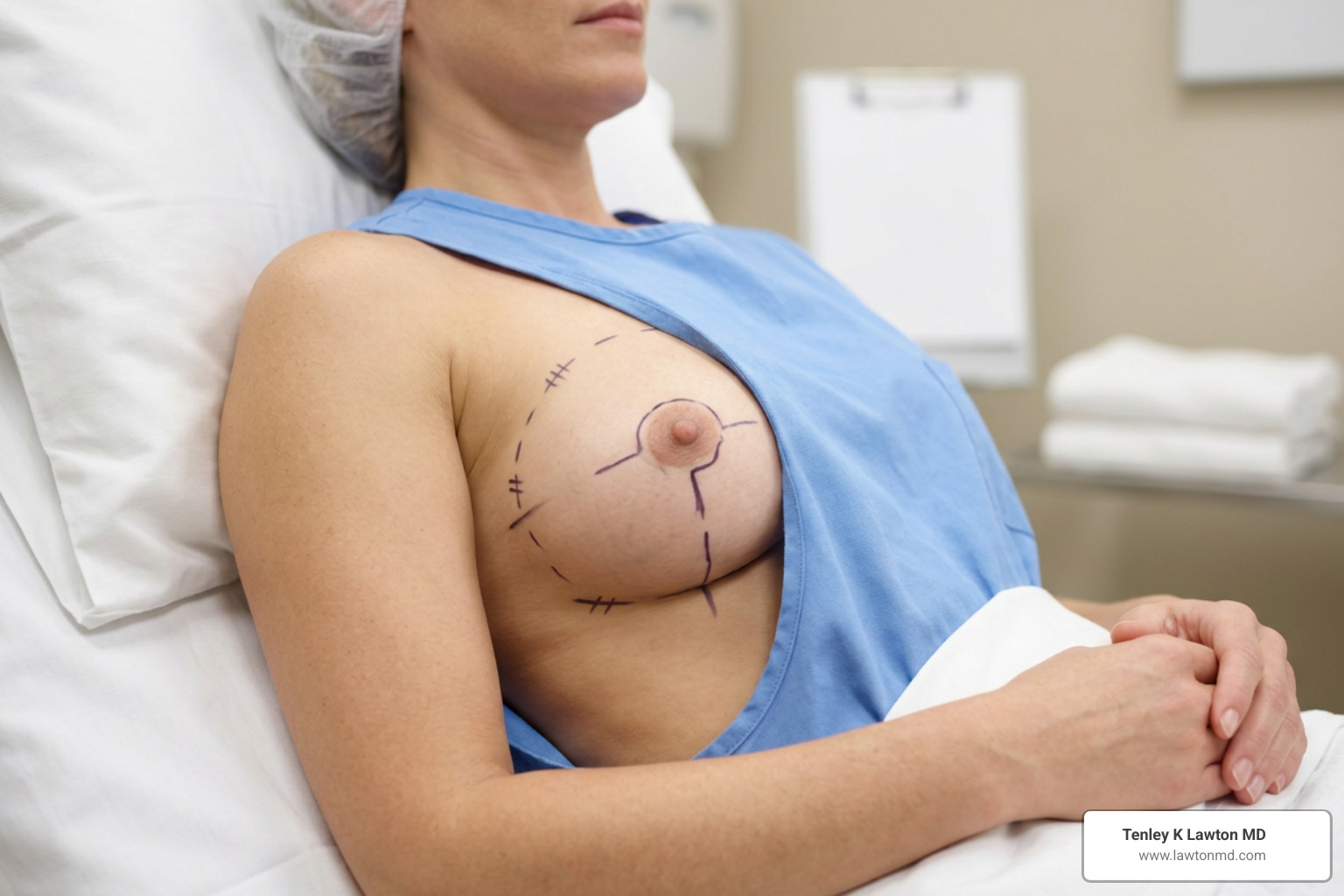
The defining hallmark of a lower body lift is its continuous, 360-degree incision line. Before surgery, we mark your incision lines while you are standing upright. This allows us to plan the placement precisely where your natural clothing, underwear, and swimwear sit.
The incision travels low across the suprapubic area, dips across the natural crease of the hips, and extends across the upper curve of the buttocks and lower back. Although the scar encircles the waist, it is designed to be completely concealed beneath standard-cut bikini bottoms or low-rise underwear.
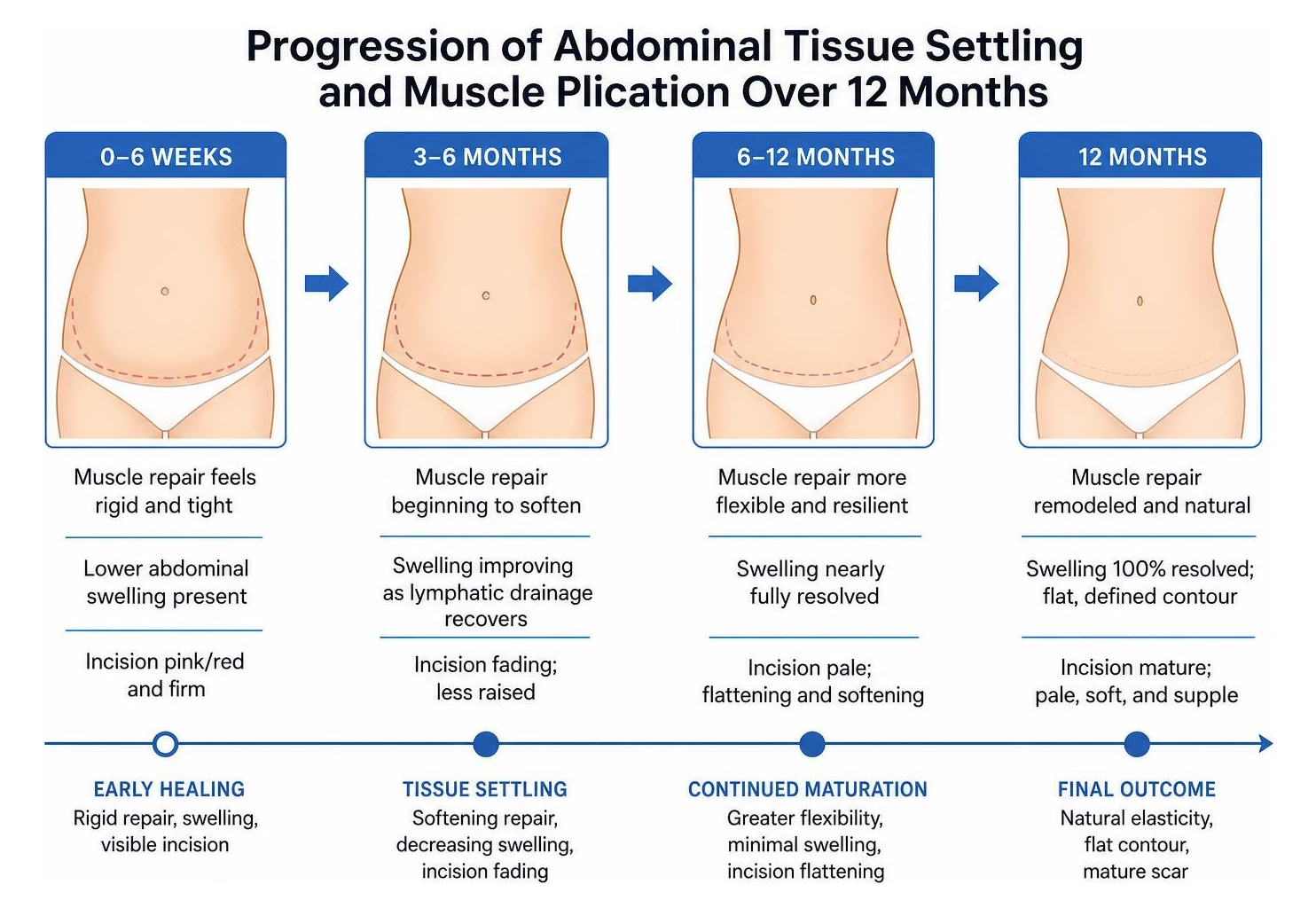
Scars go through an active maturation process. In the first 6 to 12 weeks, the incision line will appear pink and slightly raised. Over the course of 12 to 18 months, with consistent sun protection and topical scar therapy, the incision flattens and softens into a faint, pale line. For massive-weight-loss patients, trading loose, chafing folds of skin for a well-placed, flat scar is almost universally considered an empowering and worthwhile exchange.
Who Meets the Candidacy Requirements for a Lower Body Lift?
Undergoing a circumferential body lift is a significant physical commitment. Because of the sheer volume of tissue removed and the tension required to sculpt a firm contour, candidacy criteria are rigorous. Plastic surgeons enforce strict safety thresholds to minimize complications and ensure long-lasting results.
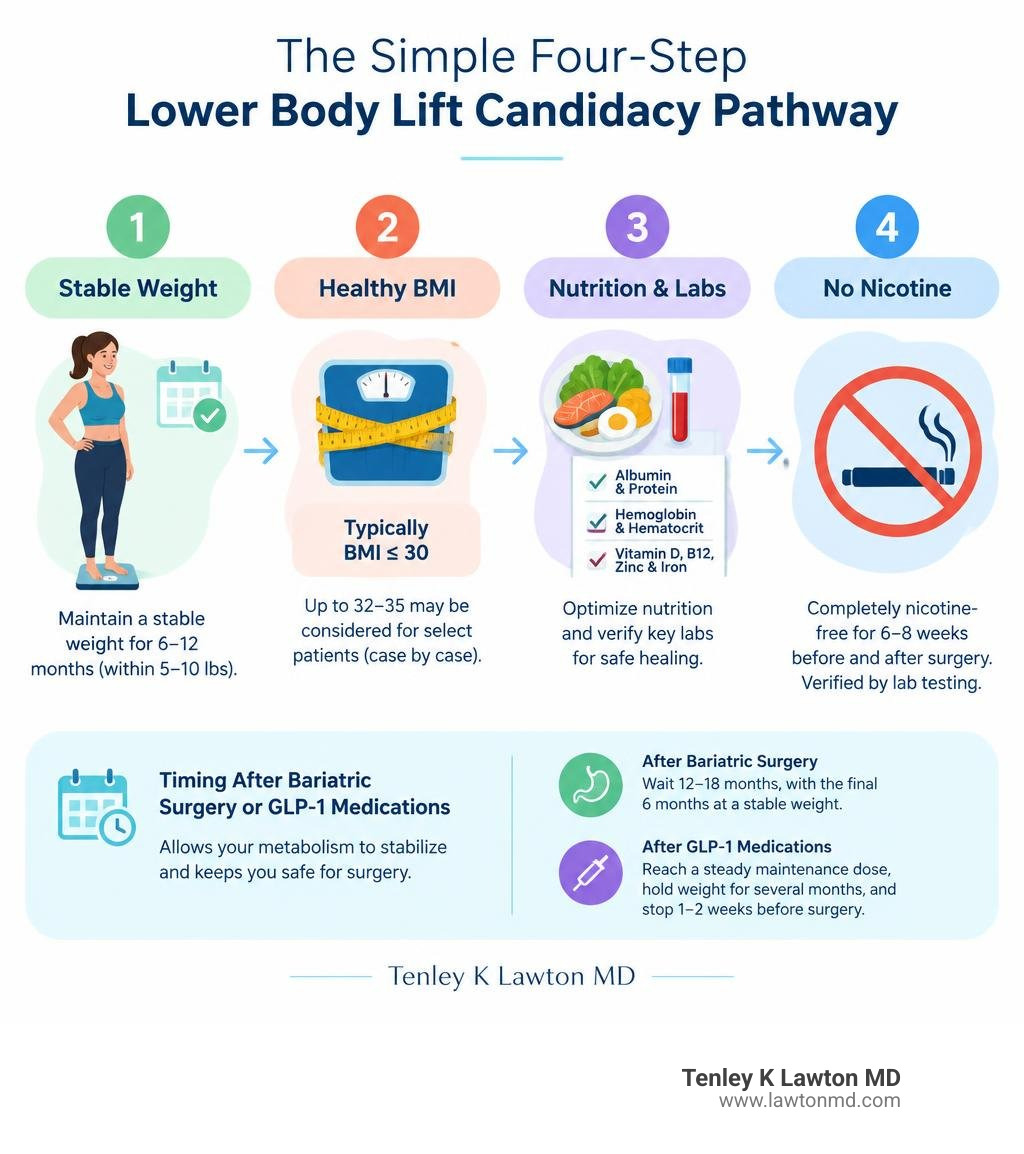
When we evaluate patients to decide which body procedures address loose skin after weight loss, we assess several critical health pillars:
1. The Stable Weight Rule
You must maintain a stable weight—typically within a window of 5 to 10 pounds—for a minimum of 6 to 12 consecutive months before surgery. Undergoing major body contouring while your weight is still fluctuating leads to poor outcomes:
- If you lose substantial weight after the lift, new skin laxity will develop, compromising your surgical tightening.
- If you gain weight after the lift, the repaired abdominal muscles and tightened skin will stretch, putting stress on healing incisions and widening your scars.
2. Body Mass Index (BMI) Thresholds
Safety data indicates that higher BMI levels directly correlate with higher rates of wound separation, seromas, and anesthesia risks. Most board-certified plastic surgeons require a BMI of 30 or below before scheduling a lower body lift. For select patients with dense, heavy pannus tissue contributing to their baseline weight, a BMI up to 32–35 may be considered on a case-by-case basis. Achieving a healthy BMI ensures that internal visceral fat (the deep fat around organs) is minimized, allowing the abdominal wall to be tightened safely without excessive intra-abdominal pressure.
3. Nutritional Status and Lab Optimization
Massive weight loss—especially following malabsorptive bariatric procedures like gastric bypass or duodenal switch—frequently leads to subclinical nutritional deficiencies. Your body requires high reserves of protein and micronutrients to heal a 360-degree incision.
Before surgery, comprehensive blood work must verify:
- Serum Albumin and Total Protein: Critical for collagen synthesis and wound tensile strength.
- Hemoglobin and Hematocrit: To verify you are not anemic prior to an operation where modest blood loss occurs.
- Vitamin D, B12, Zinc, and Iron: Essential co-factors for cellular repair and immune defense.
4. Absolute Nicotine Cessation
Smoking, vaping, nicotine patches, and nicotine gum are absolute contraindications to lower body lift surgery. Nicotine is a potent vasoconstrictor that starves the large, mobilized skin flaps of essential capillary blood flow. Patients who use nicotine face severe risks of skin necrosis (tissue death), massive wound breakdown, and severe infection. You must be completely nicotine-free for at least 6 to 8 weeks before and after surgery, verified by laboratory cotinine screening.
For a detailed review of medical guidelines and surgical indications, refer to the Cleveland Clinic’s guide to belt lipectomy surgery.
Timing Surgery After Bariatric Procedures or GLP-1 Medications
The timeline between weight loss and surgical contouring is critical for your safety.
- After Bariatric Surgery: Patients should generally wait 12 to 18 months following gastric bypass or sleeve gastrectomy, with the final 6 months spent at a stable weight plateau. This allows your metabolism to stabilize and prevents acute catabolic states during your surgical recovery.
- After GLP-1 Medications (Semaglutide, Tirzepatide): If you achieved your weight goal through GLP-1 receptor agonists, you must reach a steady maintenance dose and hold your target weight for several months. Additionally, because GLP-1s delay gastric emptying—increasing the risk of pulmonary aspiration under anesthesia—current anesthesia protocols require holding these medications for 1 to 2 weeks prior to your operative date.
What Is the Recovery Timeline and What Are the Documented Risks?
Because a lower body lift involves an incision that circles your entire core, recovery demands patience and strict adherence to postoperative restrictions. Every time you bend, twist, sit, or stand, you engage the muscles and skin of your midsection.
Hospital Stay and Immediate Postoperative Care
Depending on the surgical duration and individual health profile, patients spend either one night in an accredited surgical observation suite or return home under the care of a dedicated caregiver.
- Early Ambulation: On the evening of surgery or the next morning, we have you get out of bed to take brief, assisted walks. Early walking stimulates circulation in the lower extremities and dramatically lowers the risk of deep vein thrombosis (DVT).
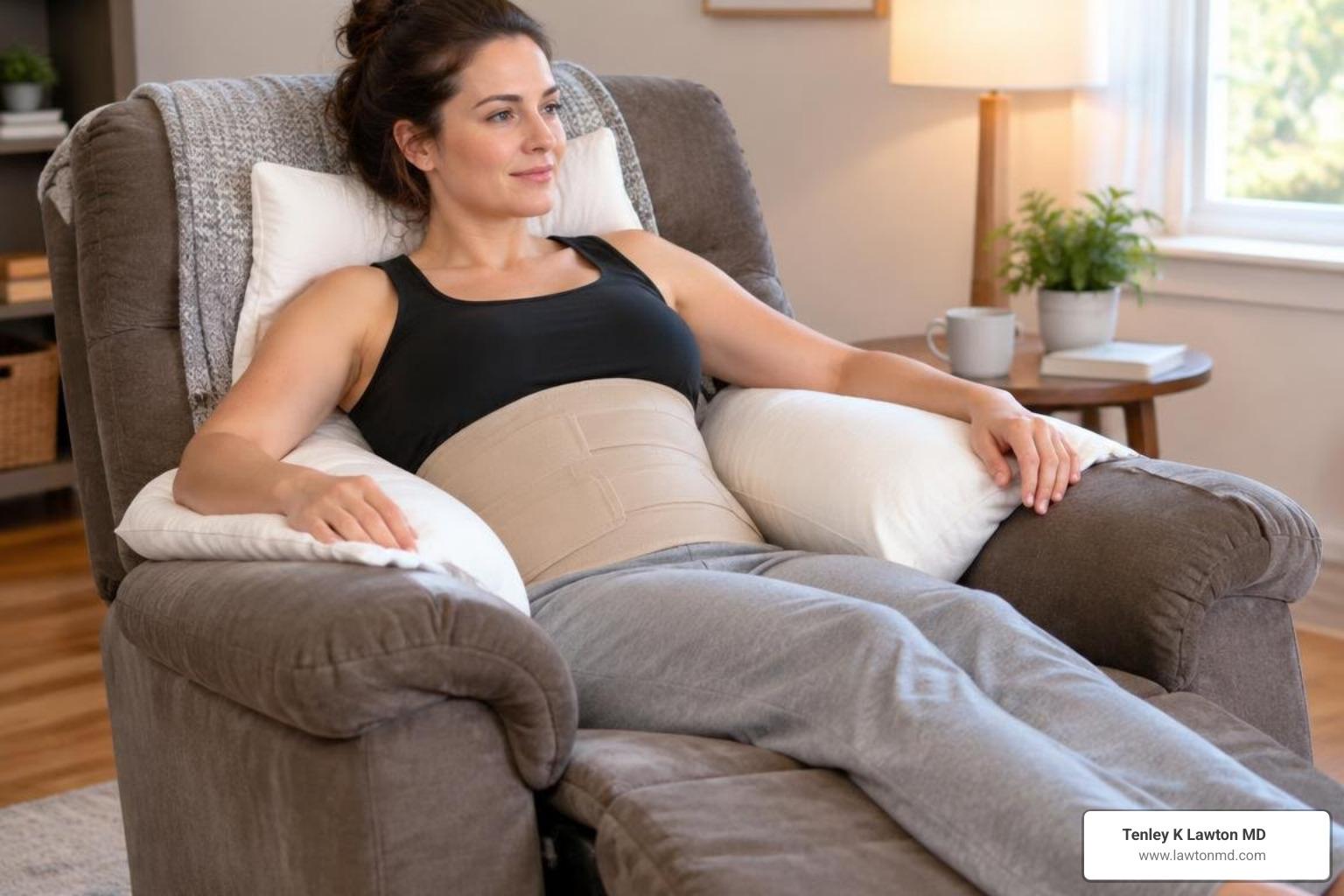
- The “Beach Chair” Position: In the initial 10 to 14 days, you must maintain slight flexion at your hips when resting. Keeping your torso slightly elevated and your knees bent on pillows relieves tension on both your front and back incision lines.
- Compression Garments: You will wear a specialized medical-grade compression garment 24/7 (except for showering) for the first 4 to 6 weeks. Compression controls postoperative edema, supports the healing tissues, and helps the skin adhere to the underlying muscle wall.
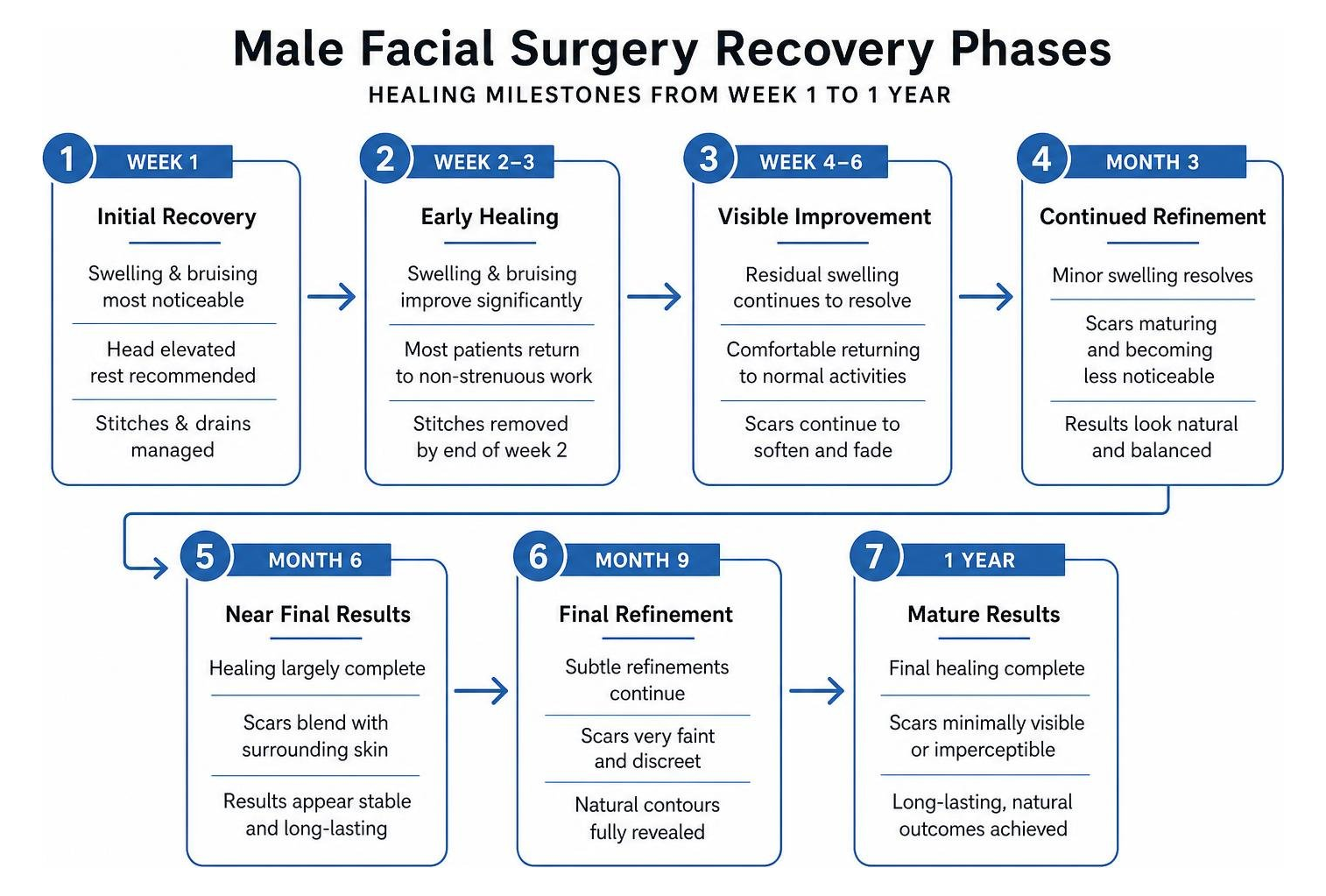
Week-by-Week Recovery Milestones
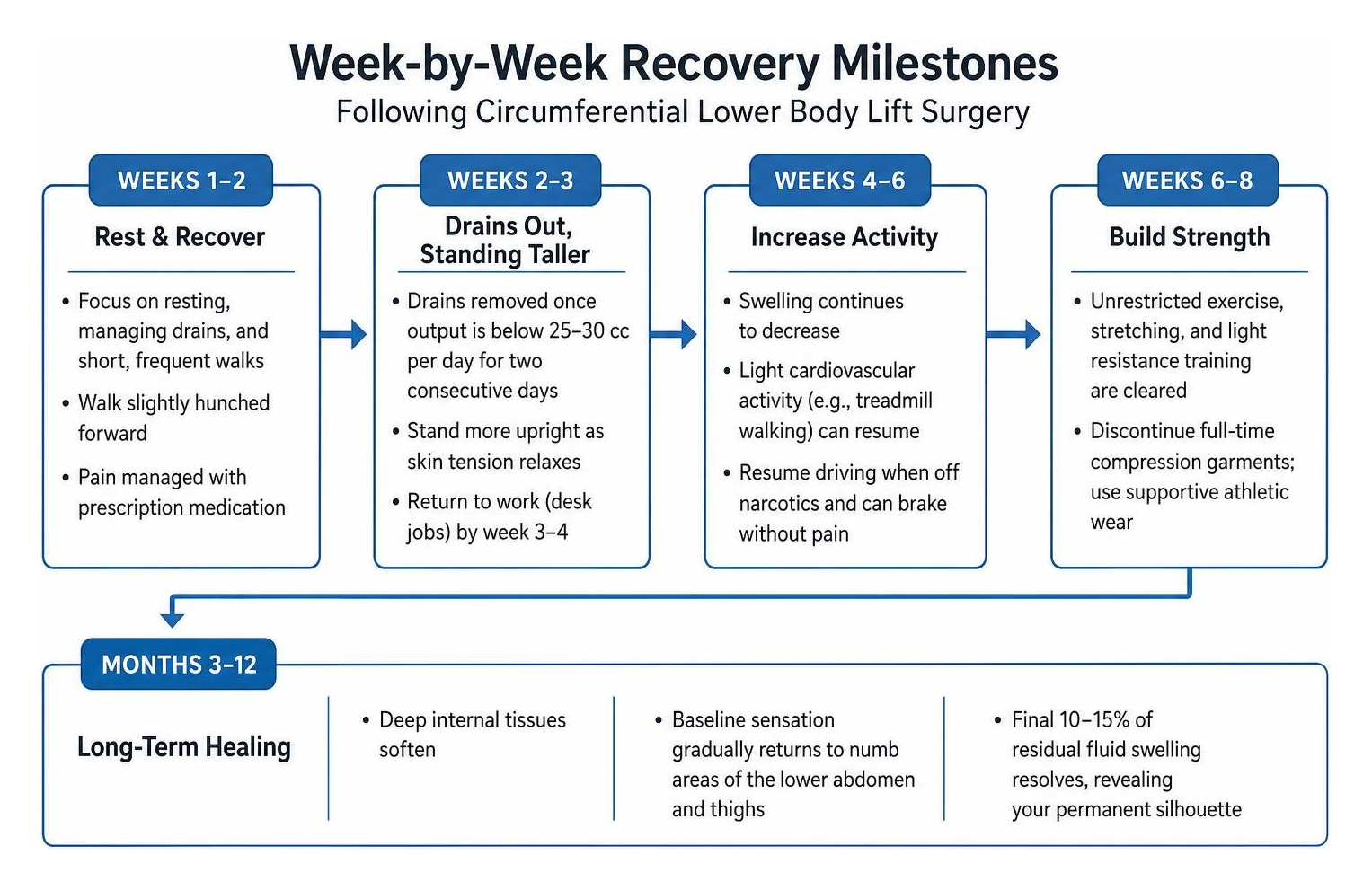
- Weeks 1 to 2: Focus entirely on resting, managing drains, and taking short, frequent walks around your home. You will walk slightly hunched forward to keep tension off the abdominal incision. Prescription pain management helps keep discomfort controlled during transitions from sitting to standing.
- Weeks 2 to 3: Surgical drains are typically removed once fluid output drops below 25 to 30 cc per day for two consecutive days. You will begin to stand more upright as skin tension naturally relaxes. Most patients working non-physical desk jobs can transition back to work remotely or in-office by week 3 or 4.
- Weeks 4 to 6: Swelling continues to decrease. Light cardiovascular activity (such as gentle treadmill walking) can resume. You can typically resume driving once you are completely off prescription narcotics and can make sudden braking motions without pain.
- Weeks 6 to 8: Unrestricted exercise, stretching, and light resistance training are cleared. You can discontinue full-time compression garments in favor of supportive athletic wear.
- Months 3 to 12: Deep internal tissues soften, baseline sensation gradually returns to numb areas of the lower abdomen and thighs, and the final 10–15% of residual fluid swelling resolves, revealing your permanent silhouette.
At our Newport Beach practice, Dr. Tenley K. Lawton oversees a structured, compassionate postoperative protocol. We monitor your incision healing, drain management, and scar maturation closely to make certain your physical recovery matches your aesthetic goals.
How Much Does a Lower Body Lift Cost and Does Insurance Cover It?
A lower body lift is among the most comprehensive and technically demanding operations in aesthetic surgery. As a result, it carries a higher price point than localized procedures like an isolated tummy tuck or liposuction.
In 2026, national data from the American Society of Plastic Surgeons (ASPS) lists the average surgeon fee alone at $11,397 (with a standard range between $10,000 and $16,500). However, the surgeon’s fee is only one component of your total investment.
The realistic, all-in out-of-pocket cost typically ranges from $15,000 to $25,000+, with extensive cases requiring prolonged operative time or specialized aftercare reaching up to $34,500.
Itemizing Your Total Financial Investment
When budgeting for surgery, ensure your comprehensive quote includes every element of your surgical journey:
- Surgeon’s Fee: Reflects the skill, training, board certification, and artistic precision of your plastic surgeon.
- Board-Certified Anesthesiologist: Dedicated MD anesthesia care throughout your 4 to 7-hour operation.
- Accredited Operating Facility Fees: Hourly costs for fully certified quad-A (AAAASF) or hospital-grade surgical suites and specialized nursing staff.
- Postoperative Recovery Stay: Costs associated with an overnight medical observation suite to manage early mobility, drains, and intravenous comfort medications.
- Post-Surgical Supplies and Garments: Specialized abdominal binders, medical-grade compression bodysuits, drain management kits, and clinical scar gels.
Does Insurance Cover a Lower Body Lift?
In almost every circumstance, health insurance policies classify a lower body lift as an elective cosmetic procedure and will not cover it.
There is an important distinction between a cosmetic belt lipectomy and a medically necessary functional surgery:
- Panniculectomy Coverage: Insurance carriers occasionally cover an isolated panniculectomy if a patient can document severe, intractable intertrigo (chronic skin infections, ulcers, and fungal rashes beneath the apron) that has failed 3 to 6 months of prescription topical and oral therapies.
- Lower Body Lift Exclusions: Even if insurance approves an anterior panniculectomy, they will not cover the posterior lift, buttock reshaping, lateral thigh tightening, or abdominal muscle repair. Some patients choose to apply their insurance approval toward the hospital costs of the anterior skin removal and pay out-of-pocket for the aesthetic contouring and posterior lift.
Most plastic surgery practices offer medical financing plans (such as CareCredit or specialized healthcare lending) to allow patients to break their procedural costs into manageable monthly installments.
Frequently Asked Questions About Lower Body Lifts
How long do the results of a lower body lift last?
The results of a lower body lift are long-lasting and, in many respects, permanent. The fat cells and excess skin excised during surgery are gone forever. If you maintain a steady weight, adhere to a balanced diet, and engage in regular strength and cardiovascular exercise, your new contour will remain firm and proportional for decades.
That said, surgery cannot stop the natural biological aging process. Over the years, your skin will gradually lose some elasticity, and gravity will continue to exert force. However, your lower body will always appear significantly firmer, tighter, and more contoured than it would have without the procedure.
Can a lower body lift be combined with other body contouring procedures?
While it is technically possible to perform minor adjunctive contouring during a belt lipectomy, safety parameters strictly govern total operative time. Because a lower body lift already takes 4 to 7 hours, adding extensive additional procedures in the same operating room session increases anesthesia risks, hypothermia, blood loss, and deep vein thrombosis.
Most post-massive-weight-loss transformations are safely staged over two or three procedures spaced 3 to 6 months apart:
- Stage 1: Lower Body Lift (addressing the abdomen, lower back, hips, and buttocks).
- Stage 2: An upper-body focus, combining a thigh lift to address the inner legs or an arm lift (brachioplasty) with breast reshaping or a customized mommy makeover.
How does a lower body lift improve the shape of the buttocks?
Massive weight loss frequently leaves the buttocks looking deflated, flattened, and severely sagging, often causing the gluteal crease to drop significantly down the back of the leg.
A lower body lift improves the buttock complex through two primary mechanisms:
- Vertical Suspension: By removing a substantial wedge of loose tissue across the lower back and upper gluteal region, we physically elevate the dropped buttock tissue back into a youthful, higher anatomical position.
- Auto-Augmentation (Tissue Repurposing): Instead of simply discarding all excised tissue, an experienced surgeon can utilize your own local, vascularized lower-back dermal fat flaps. We de-epithelialize this tissue and fold it beneath the gluteal skin to create an internal buttock lift, adding projection, roundness, and volume without needing synthetic implants or fat transfers.
Is a Lower Body Lift the Right Choice for Your Transformation?
Losing a substantial amount of weight, whether 50 pounds or 150 pounds, is a life-changing accomplishment that demands incredible discipline and perseverance. Yet, living with heavy, redundant folds of stretched skin can prevent you from fully enjoying your health, restrict your physical mobility, cause persistent skin irritation, and obscure your true figure beneath oversized clothing.
A circumferential lower body lift represents the definitive final step of a weight loss journey. By addressing the entire lower torso in 360 degrees, it eliminates painful chafing, restores balanced body proportions, and allows your clothes to fit comfortably and naturally.
When planning your procedure, choosing a board-certified plastic surgeon with deep expertise in post-bariatric body contouring is essential. During a one-on-one consultation, we assess your anatomical skin laxity, evaluate your metabolic and nutritional readiness, discuss scar placement in detail, and build a tailored surgical plan designed around your life.
If you are ready to explore whether a lower body lift is the right procedure to complete your physical transformation, we invite you to connect with our team. Schedule a private consultation with Tenley K. Lawton, MD in Newport Beach, CA, to receive clear guidance, honest recommendations, and compassionate, individualized care.